

On the occasion of Holocaust Remembrance Day – an international anniversary celebrated on 27 January, the day of the liberation of Auschwitz in 1945, to commemorate the victims of the Holocaust – the Library offers a series of reading paths on the Shoah, choosing from recently acquired books and works.
Works of fiction or documentary evidence, graphic novels or classics revisited in comic strips, historical research or sociological or psychological formulations, are all pieces that serve to try to penetrate the facets of a terrible tragedy and to analyze the dynamics of a horror that has forever marked our time.
Included in the list – from the Carandente library, which specialises in the history of contemporary art – are catalogues of artists who have recounted the tragedy of the Holocaust or who have experienced the concentration camps at first hand.
In order to facilitate consultation within the page, the volumes have been divided into macro genres, also indicating those books that are more oriented to the sensitivity and language of children:
👉 Novels, graphic novels and narrative
👉 Essays
👉 Graphic novels and illustratd stories for kids
👉 Novels and narrative for children
👉 Art catalogues of the Carandente Library
Novels, graphic novels and narrative
Dora Bruder by Patrick Modiano (Guanda, 1998)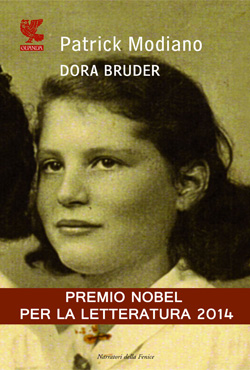
31 December 1941. An ad appears on “Paris-Soir”: a 15-year-old girl is sought, her name is Dora Bruder. Her parents, Jews who had long since emigrated to France, reported her disappearance. Almost fifty years later, Patrick Modiano – Nobel prize for literature in 2014 – comes across those few lines in the newspaper, an unanswered cry for help. He knows nothing about Dora, but is nevertheless attracted to her. He tries to reconstruct her life, the reasons why she ran away, and to imagine her days when she fled. Little by little he reconstructs the history of the Bruder family: the girl’s birth, the parents’ origins, their movements, the family’s last resting place. Modiano follows Dora’s shadow through the streets of a city he knows and loves, the Paris of suburbs, of hotels that have long since closed, of cinemas that no longer exist. These are places that have lived through the war and known the sinister atmosphere of the occupation. The atmosphere in which Dora herself lived until, eight months after her escape, she was deported to Auschwitz with her father. Here, where the history of mankind begins, Dora’s private story closes forever amidst that of millions of other victims.
Diario by Etty Hillesum (Adelphi, 2012)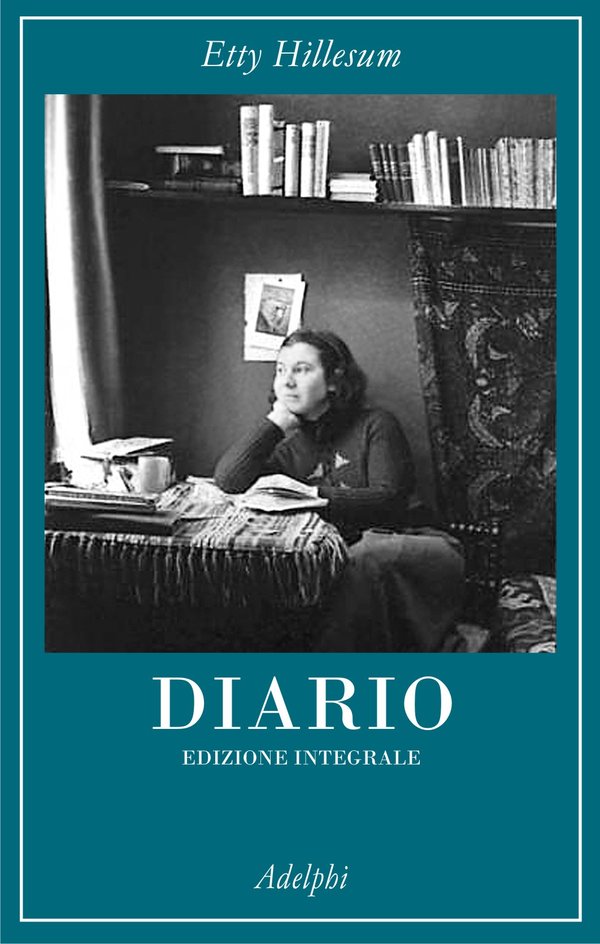
At the beginning of this Diario, Etty is a young woman in Amsterdam, intense and passionate. She is Jewish, but not observant. Religious themes attract her, and she sometimes talks about them. Then, little by little, the reality of persecution begins to seep in between the lines of the diary. Etty records entries about friends who disappeared in the concentration camps, killed or imprisoned. One day, in front of a sparse group of trees, she finds the sign: ‘Forbidden for Jews’. Another day, certain shops are forbidden to Jews. Another day, Jews can no longer ride bicycles. But the more the circle tightens, the more Etty seems to find an extraordinary strength of soul. She does not think for a moment, even if she has the chance, about saving herself. She thinks about how she can help the many who are about to share with her the ‘mass destiny’ of death administered by the German authorities. Confined to Westerbork, the transit camp from which she would be sent to Auschwitz, Etty exalts her ability to be a “thinking heart” even in that “little piece of moorland fenced off by barbed wire”. If the Nazi technique consisted above all in provoking the physical and psychic disheartenment of the victims, it can be said to have had the opposite effect on Etty.
Maus by Art Spiegelman (Einaudi, 2000)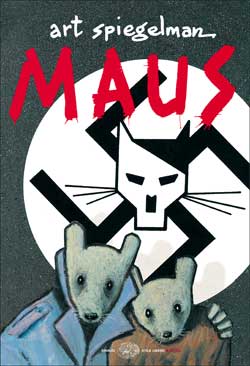
The story of a Jewish family between the war years and the present, between Nazi Germany and the United States. A father, who escaped the Holocaust, and a son who is a cartoonist and tries to find a bridge linking him to his father’s unspeakable story. A poignant little family story set against the backdrop of the 20th century’s greatest tragedy. Told in the form of a comic strip: the Jews are mice, the Nazis, cats. An essential book, moving and happy, tragic and necessary, like life, which won the Pulitzer Prize in 1991. An autobiographical work by Art Spiegelman, whose drawings and comics have appeared in numerous newspapers and magazines, from the “New York Times” to the “Village Voice” and the “New Yorker”, and have been exhibited in museums and galleries in the United States and abroad.
Heimat by Nora Krug (Einaudi Stile Libero, 2019)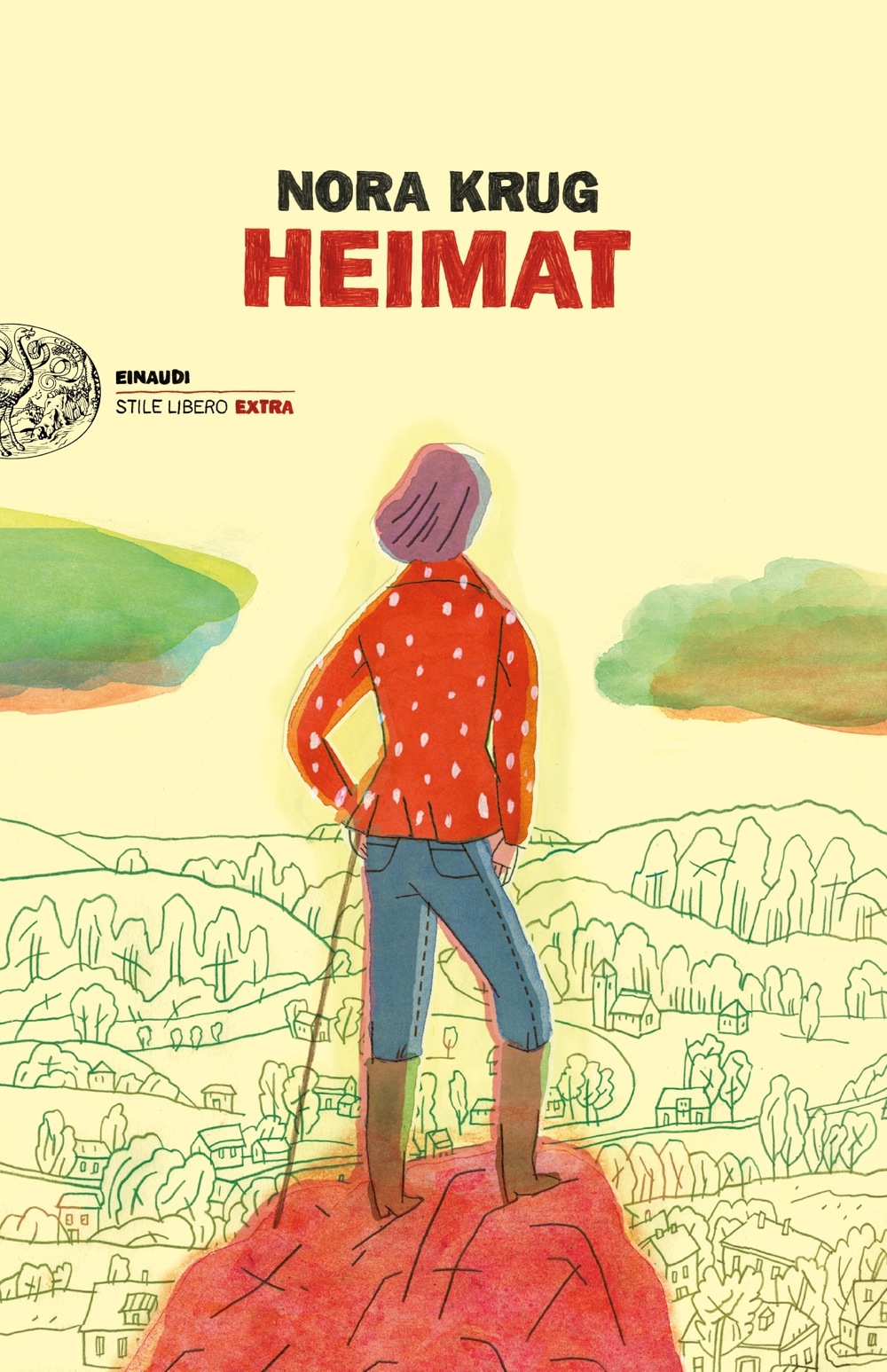
A young woman in search of her roots in the most complex period and place of the 20th century: Hitler’s Germany. Nora Krug sifts through archives, collects photos, unearths relics and evokes memories to reconstruct her family’s history and understand the role it played during Nazism. The result, poetic and moving, is a comic novel described by the New York Times as “a brilliant way of coming to terms with one’s past”.
Best graphic novel 2018 for «The New York Times», «The Guardian» and «The Comics Beat», it won the National Book Critics Circle Award in the Autobiographies category. Krug was also Illustrator of the Year for the Moira Gemmill Prize of the Victoria and Albert Museum.
Essays
Salvarsi. Gli ebrei d’Italia sfuggiti alla Shoah. 1943-1945 by Liliana Picciotto (Einaudi, 2017)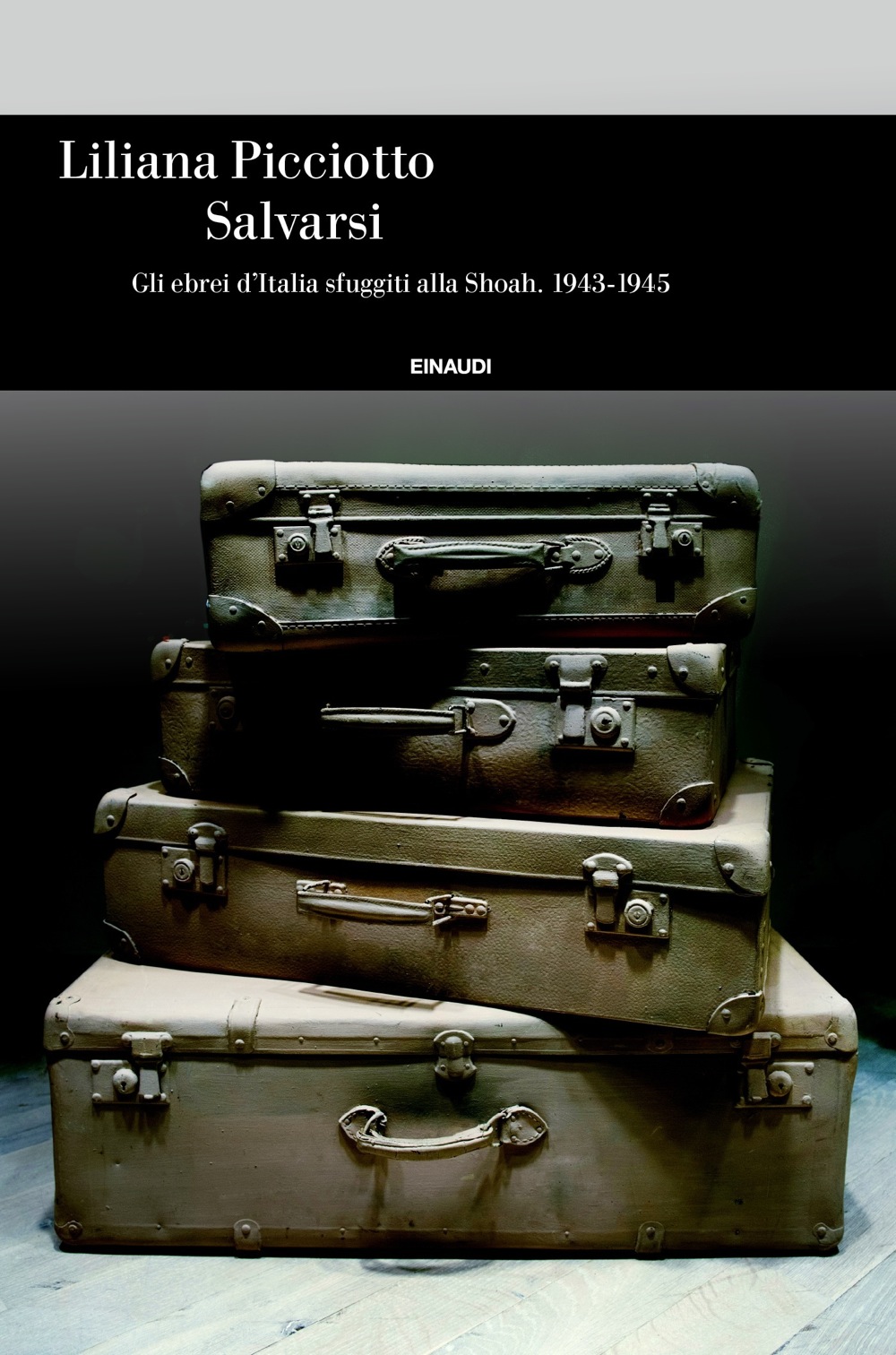
The touching stories and testimonies of the Jews, both Italian and non-Italian, who managed to save themselves from the Shoah in Italy, on their own or with the help and assistance of others. More than 81% of Jews in Italy escaped the Shoah. This volume presents the results of the project “Memory of Salvation” of the Centro di Documentazione Ebraica Contemporanea (CDEC), aimed at reflecting on how they were able to be saved in spite of searches, arrests and deportations by the Fascist and Nazi authorities. Contrary to what Liliana Picciotto already described in Il libro della memoria and in other studies, we are talking here about the ‘other side of the coin’. No one has previously asked systematically and scientifically who the saved ones were and how they were saved. Here we touch on issues such as: what did the Jews in Italy know about the Shoah that was already raging in Nazi Europe? And what did ordinary people know about it? What was the risk for an ordinary citizen who helped Jews?
Non c’è una fine. Trasmettete la memoria di Auschwitz by Piotr M. A. Cywinski (Bollati Boringhieri, 2017)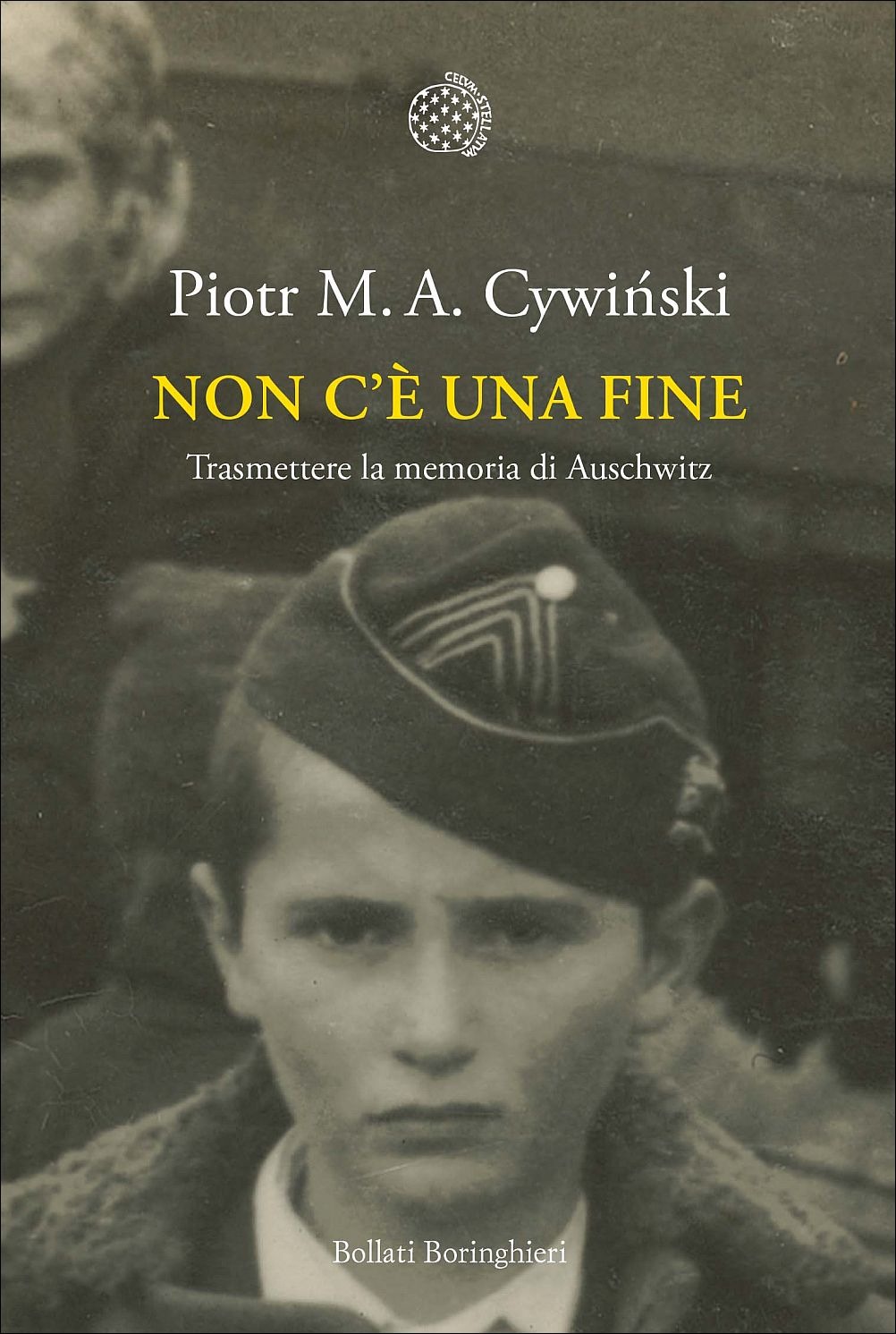
Auschwitz is a mighty symbol. Every year the site of the largest Nazi extermination camp is visited by more than a million people, tens of thousands of whom from Italy. There is a whole generation that is now a child of the profound significance that this place has taken on in our time, a child of memory travel. What are those children looking for in Auschwitz, what are we all looking for? What story does it tell us? Piotr Cywiński, director of the Auschwitz-Birkenau Memorial and Museum, in this hard and necessary, vibrant and passionate book, confronts these questions and the dilemmas that lie hidden in one of the most terrible places in human history.
Verso la soluzione finale – La conferenza di Wannsee by Peter Longerich (Einaudi, 2018) 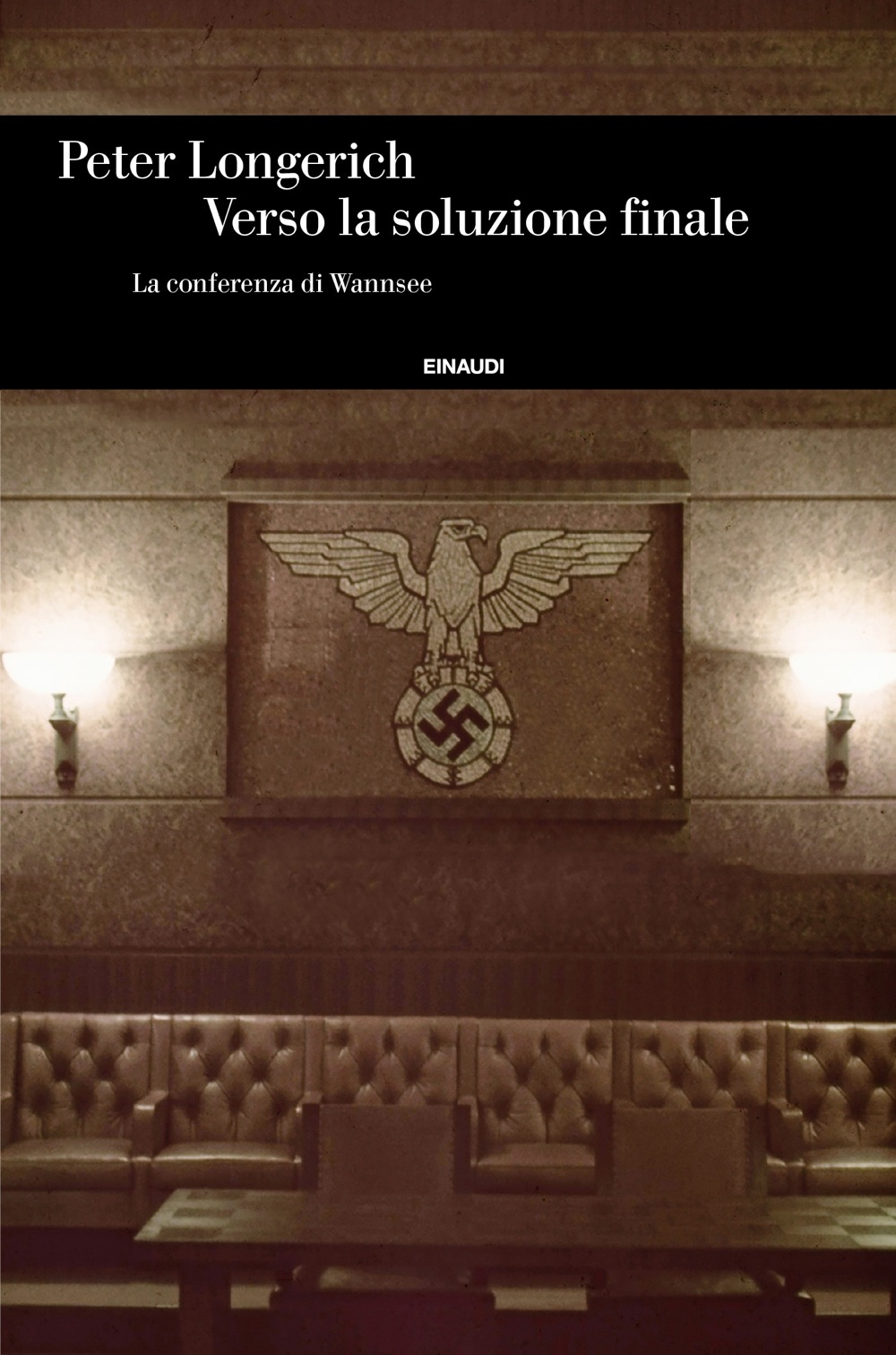
The best, most accurate report of the Wannsee Conference that resulted in the Endlösung der Judenfrage, the Final Solution to the Jewish Question. An investigation into the doctrinaire, murderous madness of Nazism. On 20 January 1942, leading figures of the Third Reich gathered in a luxurious villa in Wannsee, near Berlin. Peter Longerich provides a careful contextualisation of the minutes of the meeting because interpretations of the reasons for holding the conference are varied and contradictory. Apart from the minutes, there are no other documents relating to the conference because they have been destroyed. Longerich’s explanation is that the Holocaust was not carried out as a result of a determined choice, but was the result of a long-lasting anti-Semitic policy, subject to contingent changes, and a decision-making process by which Hitler created a real programme of destruction of the Jews of Europe, starting from a generic and undefined intention to destroy them.
Il secolo infelice by Imre Kertész (Giunti, 2012) 
Imre Kertés, one of the most important 20-cen. Hungarian writers, Nobel Prize for Literature in 2002, has experienced ‘The Unapproachable‘ twice in his lifetime: in Auschwitz and Buchenwald first, and under the Soviets’ thumb later. ‘The Holocaust and the living conditions in which I was writing about it had merged inextricably.’ The Holocaust thus becomes a verb conjugated in the present tense: it is a condition from which the author tirelessly continues to send us messages and build bridges to bear witness to the truth of the ‘unhappy century’ that preceded the beginning of this millennium and then flowed into it. This is why the writings collected in this book cannot be considered ‘essays’ but, more meaningfully and correctly, must be defined as ‘approximations’: lucid, cruel, sometimes ironic but always merciless accounts of reality and of human nature of which the narrator has known the extraordinary depths.
1938 – Storia, racconto, memoria by VV.AA. (Giuntina, 2018)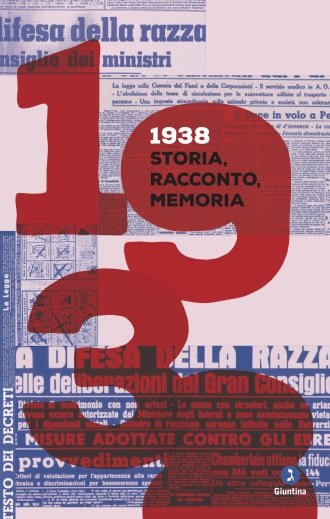
Eighty years after the promulgation of the “racial laws”, writers and historians come together in this volume that collects, in the spirit of an experiment, thirteen stories inspired by documents and real events related to the persecution of rights by the fascist regime. Thinking of a near future in which memory will no longer be transmitted by direct witnesses and exploring that borderline along which history, narration and memory can interact, these texts, which involve and move the reader, aspire as a whole to be a laboratory that stimulates unprecedented reflections on the future of Memory itself. The stories in this anthology are also a warning against the resurgence of intolerance in our society and against all future forms of discrimination against minorities and the weakest.
Graphic and illustrated novels for kids
Mai più. Per non dimenticare by R. J. Palacio (Giunti, 2020)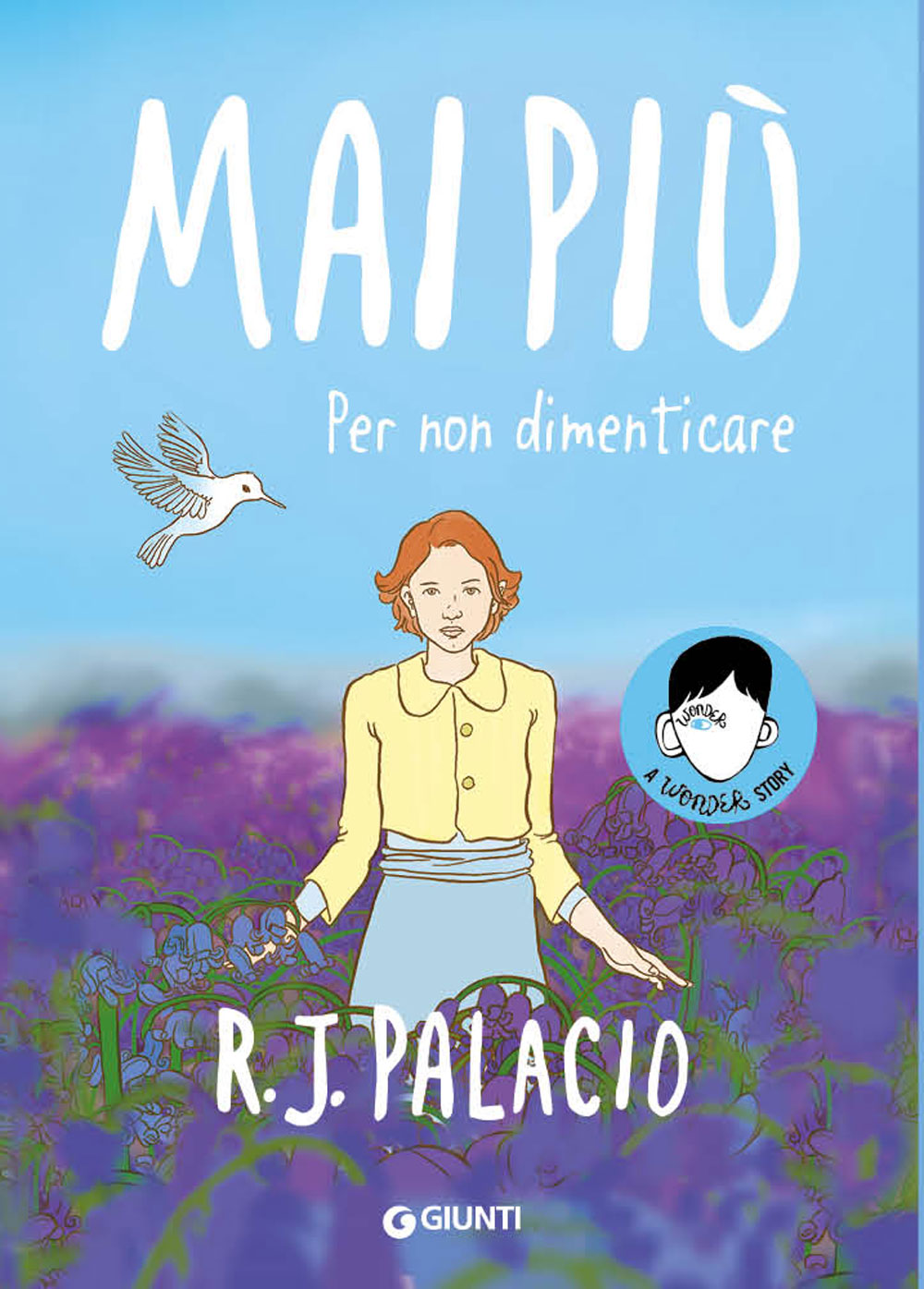
Bestselling author R. J. Palacio makes her graphic novel debut with an unforgettable Wonder-inspired story about kindness and courage in the context of World War II. The story takes its cue from the world of Wonder, from the words of Julian’s grandmother, who tells her harrowing story: how she, a young Jewish girl, was protected and hidden by a family in a French village under Nazi occupation; how the boy she and her classmates avoided became her saviour and best friend. A moving experience that shows how kindness can change hearts, build bridges and even save lives. And as his grandmother says to Julian: “It always takes courage to be kind, but at the time, kindness could cost you your life”
La portinaia Apollonia by Lia Levi (Orecchio Acerbo, 2005)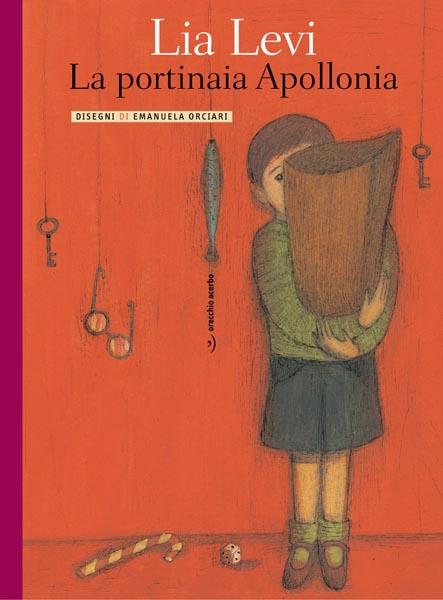
Autumn 1943. A Jewish child and a town occupied by German soldiers. His father is away. His mother works at home and Daniel has to run and stand in line to buy food. But it is the sullen concierge Apollonia, surely a witch, who frightens him most of all. Until one day… Maybe even a witch can save a child? Andersen Book of the Year Award 2005 and best book 6/9 years old.
Il baule dei segreti. La storia delle bambine sopravvissute ad Auschwitz by Andra and Tatiana Bucci (Mondadori, 2020)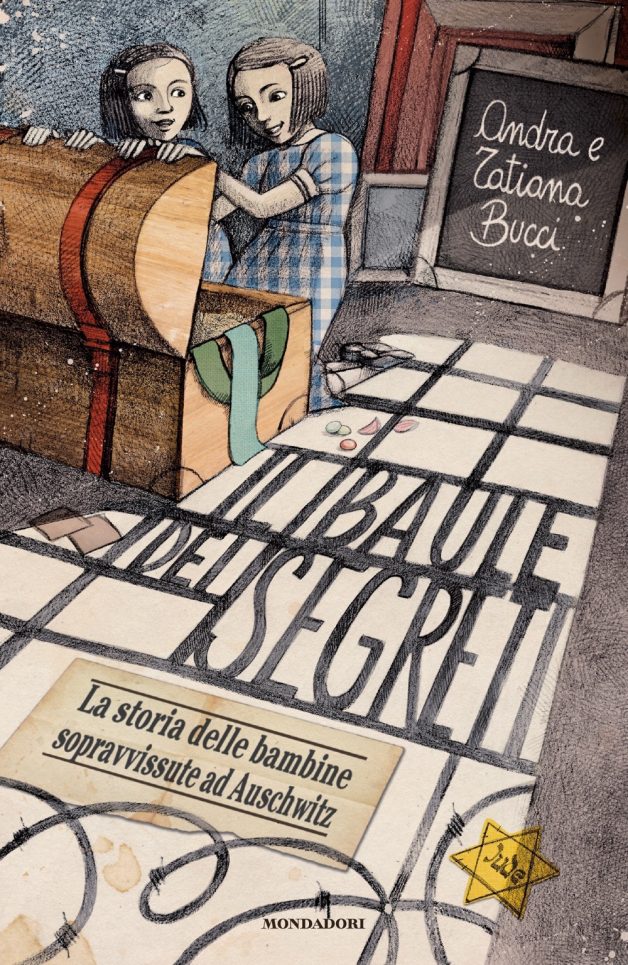
1950. In the attic of the small house in Triest lies a huge trunk. When Andra and Tati free the hooks from the layer of dust and lift the heavy lid, it’s like stepping back in time for a moment, because the trunk contains their entire life to date. A box of sweets, a few photographs, a tin spoon, a soft wool coat, a dried flower… The objects that gradually emerge tell the story of an entire Jewish family: the peace found in Fiume at the beginning of the 20th century after a long wandering through Europe, the entry into force of the racial laws in 1938, the arrest and deportation to Auschwitz. Then the Liberation and, for the girls, the sad days of the orphanage. Finally, the rebirth and the unexpected reunion with their parents.
The true story of the Bucci Sisters, in an edition for kids, accompanied by the intensity of Elisabetta Stoinich’s drawings; a story between drama and hope that invites us not to forget.
Anne Frank – Diario by Ari Folman and David Polonsky (Einaudi, 2017)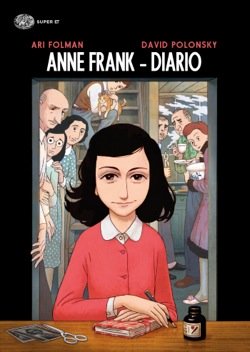
On 12 June 1942 Anne Frank receives a diary for her 13th birthday. In these pages, the unspeakable horror of the persecution and deportation of the Jewish people takes on a daily and universal dimension through the eyes of an ironic, lively and profound thirteen-year-old girl, animated by a great desire to live. Today, thanks to screenwriter and director Ari Folman (Golden Globe winner for Waltz with Bashir) and illustrator David Polonsky, Anne’s words have been transformed into a new form that, however, preserves their spirit. Anne imagined herself as a journalist and writer in her adulthood, and in the story told through images, her ability to portray her own ordinary yet extraordinary existence emerges with touching clarity, thanks to the precision of the details: a stolen glance between school desks, the petty rivalries with an apparently perfect sister, the loving gesture of a father on a scary night that ravages your sleep.
Novels and narrative for kids
La ragazza col violino by Virginia Euwer Wolff (Mondadori Junior, 2020) 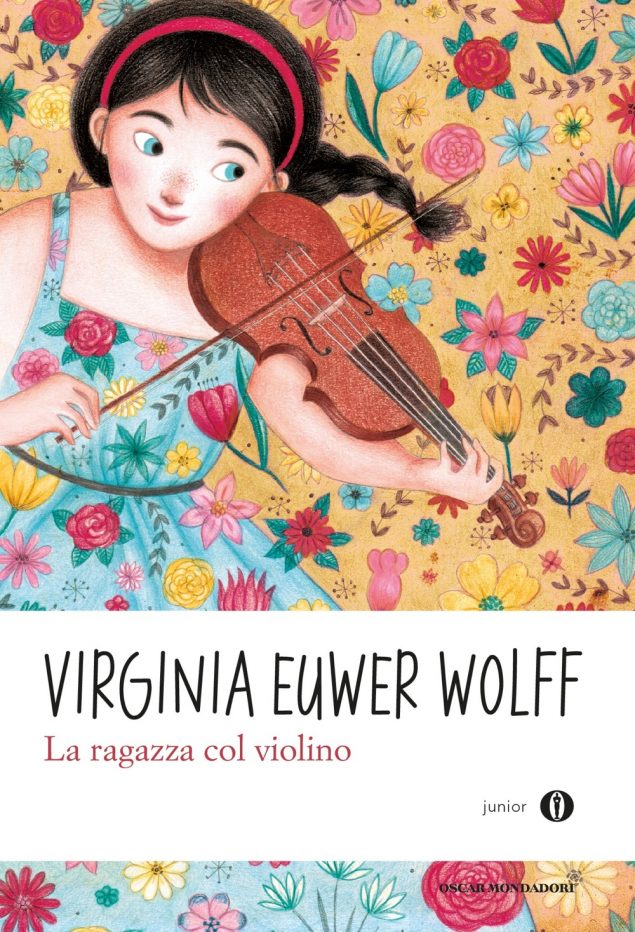
This award-winning novel for children tells the story of Allegra, a brilliant violinist who is admitted to the finals of the most important competition for young musicians by choosing Mozart’s concerto No. 4. Allegra lives in symbiosis with her instrument, and thanks to the magic and poetry of those notes, she learns to know herself and to face the heavy heritage of her roots, discovering the story of her grandmother, killed in a lager.
Viola dei 100 castelli by Angela Nanetti (Giunti Junior, 2016)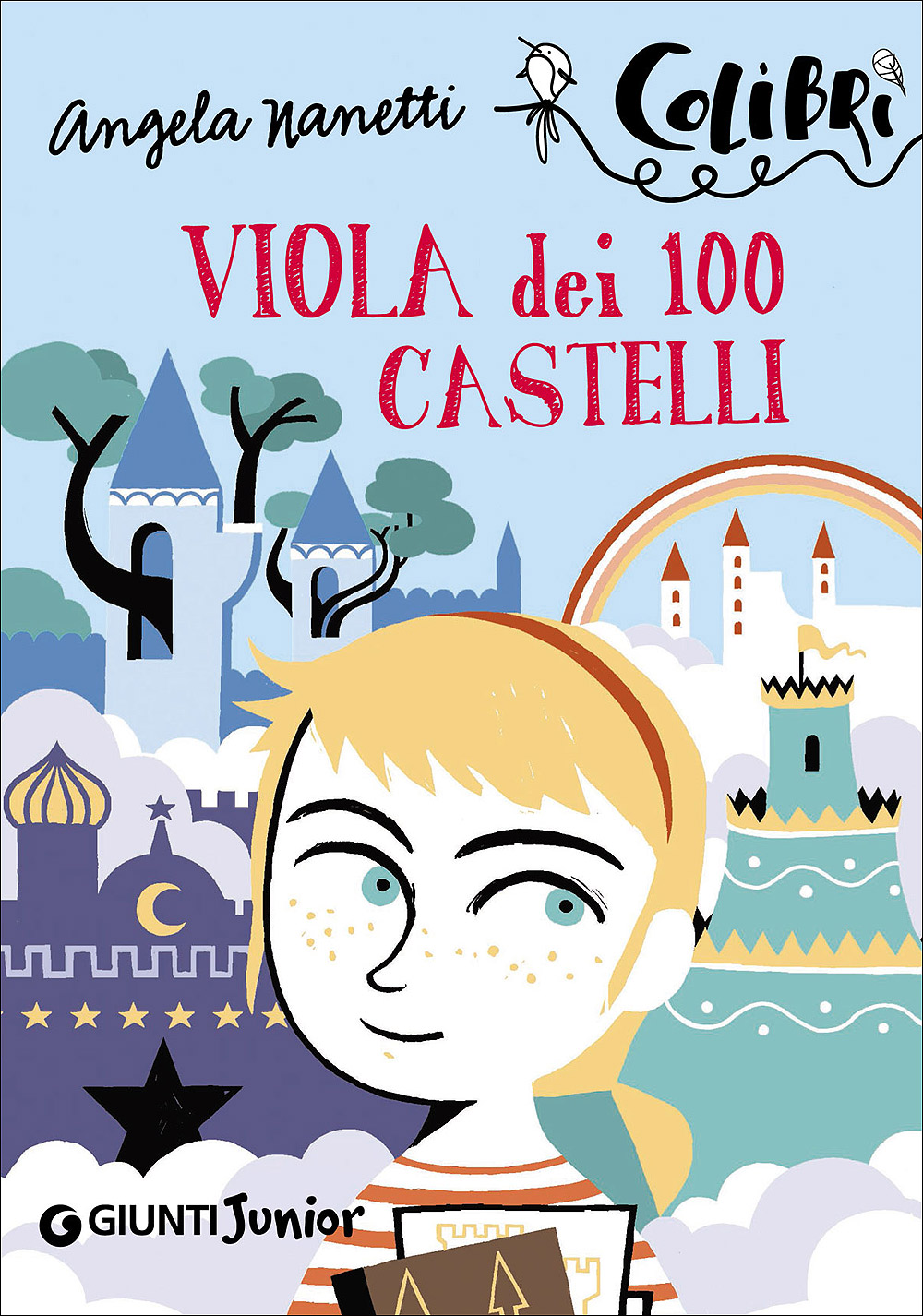
In ”Viola dei 100 castelli”, Angela Nanetti – who received the Andersen prize for best author in 2003 – interweaves the tragedy of the Holocaust with the difficult life of a child who is ”different”, telling us how the desire to resist and the will to live can help overcome any difficulty. Viola lives in a family home, has a difficult story behind her, but her heart is enlivened by a great imagination and courage. A chance encounter with an escaped dog and a mysterious old man, a survivor of the lager, will change her life.
The Carandente Library Art Catalogues
Il tesoro ebraico di Praga (Mondadori, 1988)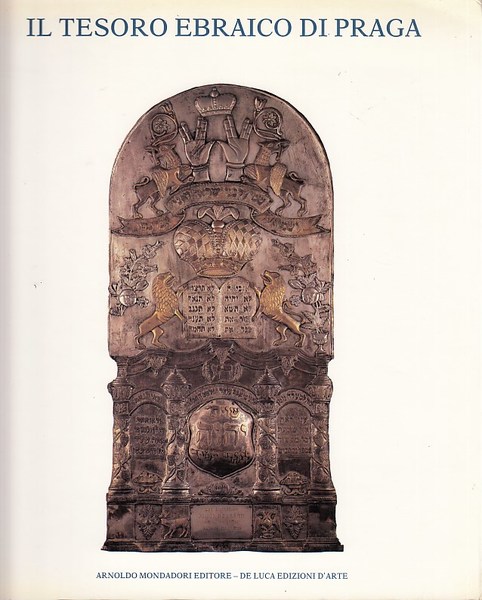
Il tesoro ebraico di Praga is the first of three sections of the exhibition Meraviglie dal Ghetto held in Ferrara in 1988 at Palazzo dei Diamanti and Palazzo Paradiso. The exhibition is a reflection on the history of a museum – that never came into being – of the property taken from the Jews. It features around one hundred and fifty artefacts from the then Prague State Museum, now the Jewish Museum, on display for the first time in Europe..
Cagli, disegni di guerra (Silvana editore, 1971)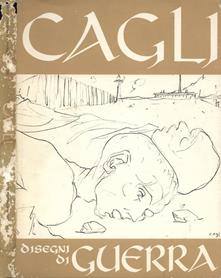
In 1938, artist Corrado Cagli was forced into exile following the proclamation of racial laws. He settled first in Paris and then in New York. In 1941 he joined the American army and took part in the campaigns in Belgium, Germany and France, including the Normandy Landings. Dramatic memories of this period are the cycle of drawings on the war, particularly those made following the liberation of the Buchenwald concentration camp.
Renzo Vespignani tra due guerre (Fratelli Pozzo editore, 1975)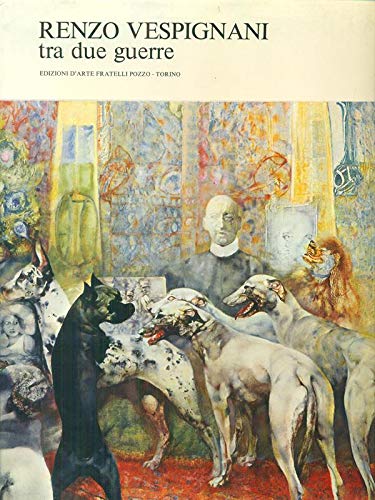
Renzo Vespignani produced large cycles of paintings such as Tra due guerre (Between Two Wars), an unflinching analysis of respectability and petty-bourgeois authoritarianism during the years of Fascism in Italy. With the black and white of ink or etching, he investigates the crude and pathetic reality, where the protagonists are the urban landscape of the suburbs, the ruins, the rubble caused by bombing, the poverty of everyday life and the tragic events of the Holocaust.
Jozef Szajna, Venice Biennale Poland (Warsaw, Central Bureau of Art Exhibitions Zacheta, 1990) 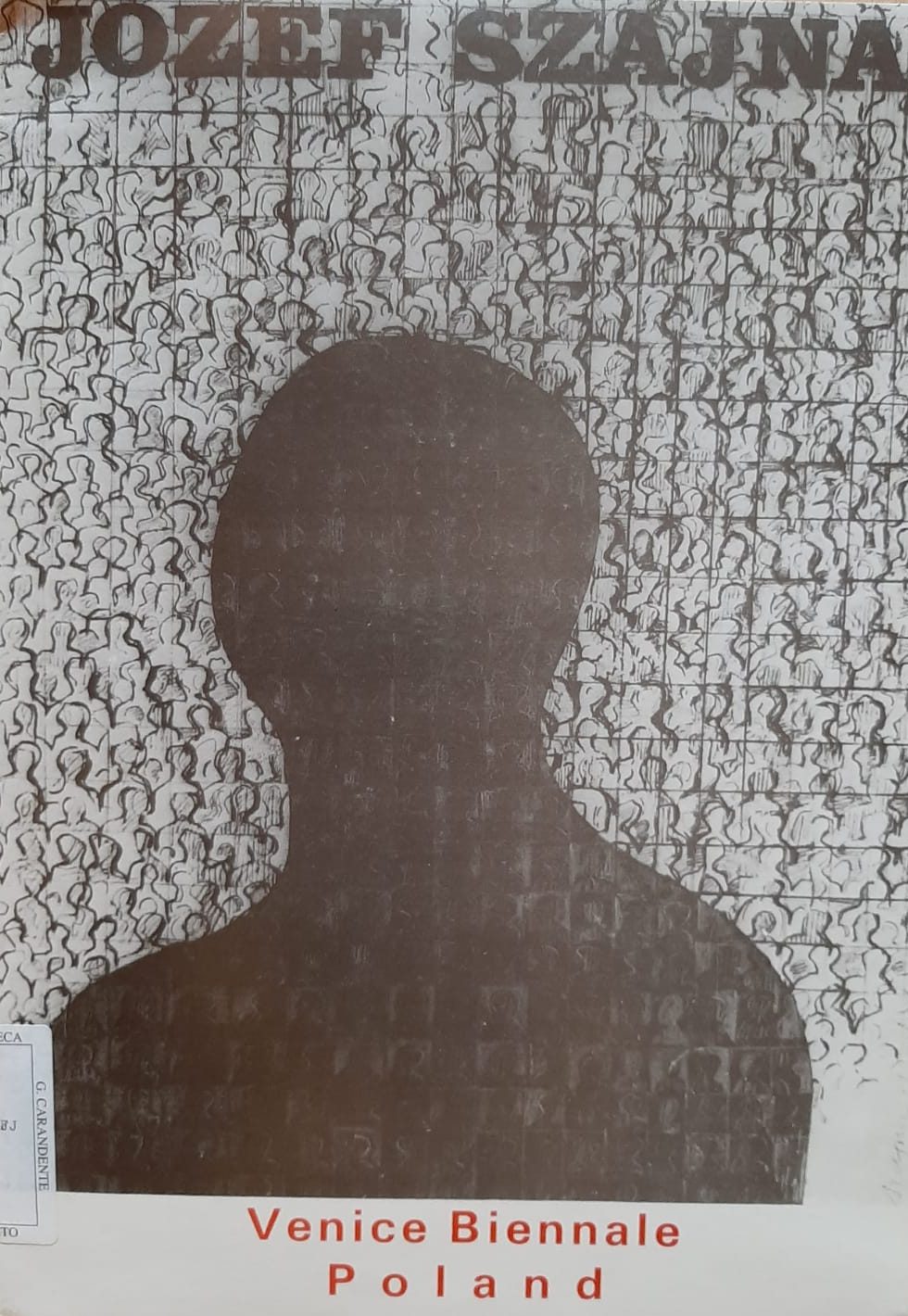
Polish painter Józef Szajna took part in the anti-fascist struggle during the German occupation. He was arrested and imprisoned in the concentration camps of Auschwitz and Buchenwald. During his imprisonment he produced drawings that are important visual memories of the concentration camp. After the end of the war, he continued to work on Auschwitz and his works – painting mixed with collage and assemblage – reflect his sad experience in the camps.