

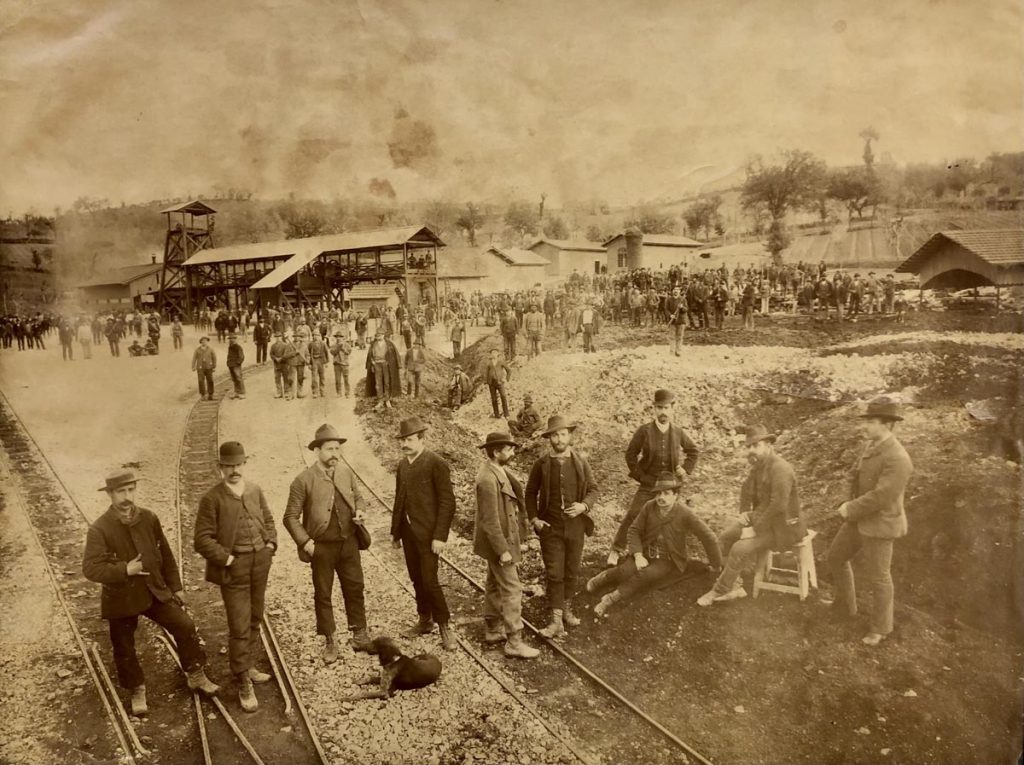
The history of the Brown Coal Mines in Spoleto spans across the period from the last two decades of the 19th century to the end of the 1950s, has left a deep mark on the city’s history, not only because of the predominant industrial role that the mines played in economic and social life, but also because of the tragedy that cost the lives of 23 miners in March 1955, a tragedy that is still a deep wound in the Spoleto community.
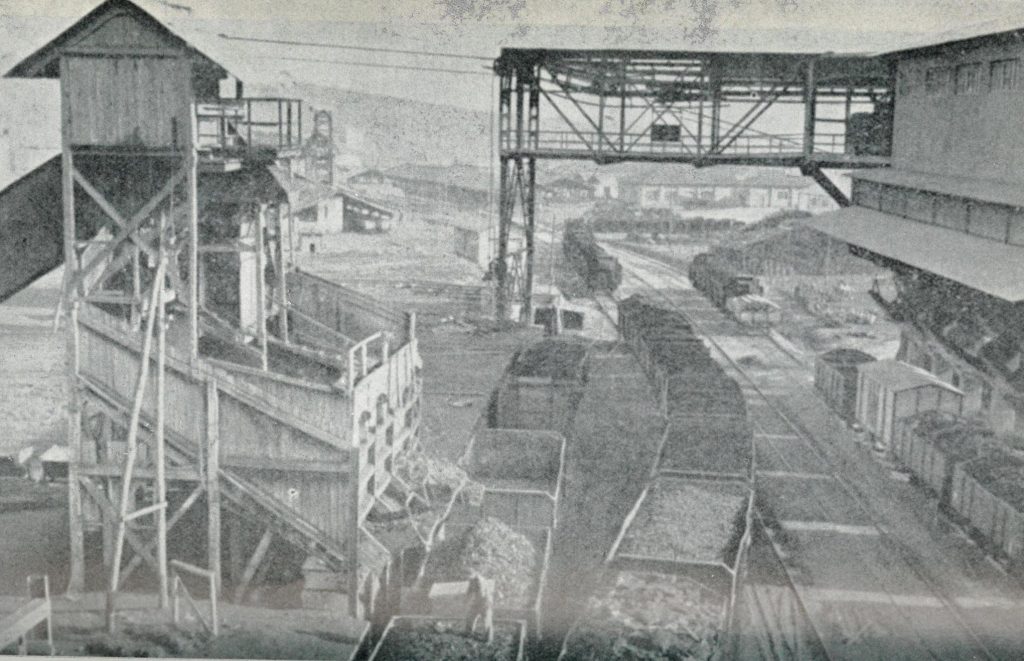
Birth of the mines
For a long time – as explained in the fundamental text ‘Le miniere di Lignite di Spoleto (1880-1960)‘ by Aurora Gasperini – the mines represented ‘the most consistent economic reality […] a completely new activity for the city, not only because it operated in a sector that had never been tried before, but also from a qualitative point of view, as it was the first real industrial activity‘.
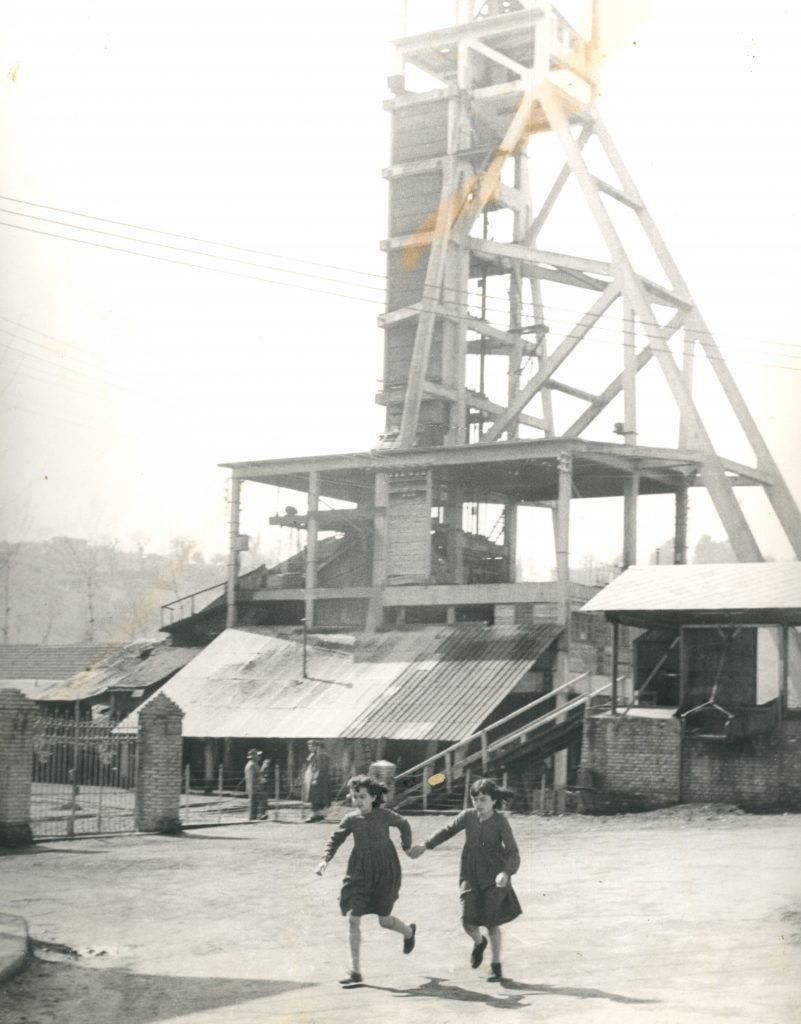
From the Unification of Italy until the 1950s, Umbria used to have an important brown coal mining activity with numerous mining garrisons, mainly between Pietrafitta and the Monti Martani.
Morgnano was the last mine to close. This mining facility, discovered in 1881, had been uninterruptedly active since the 1880s as a fuel supplier to the Terni Steel Factories [which had been operating the mines since May 1889], representing the main, if not the only, source of sustenance for most of the families living in the area.
Miners’ Life
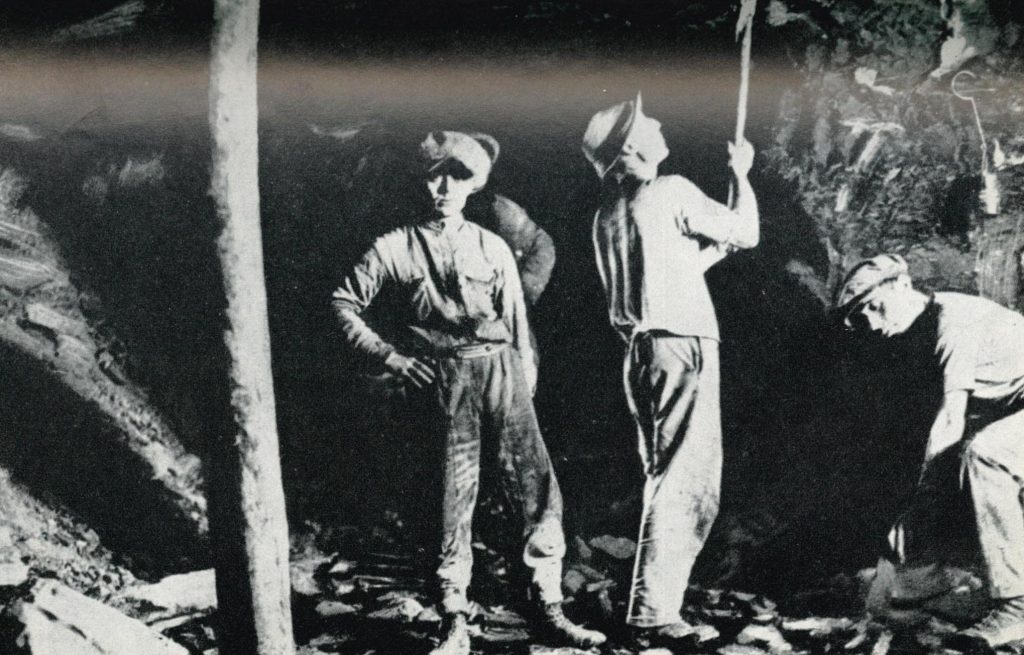
Life was anything but easy for the Spoleto miners. Hard shifts of 12/13 hours a day at a depth of three hundred metres, days spent in the darkness of the mine, the impossibility of carrying out their work in a sufficiently hygienic and healthy environment, should give us an idea of what it meant to have their family life revolve around such difficult working conditions. The Morgnano garrison, thus becoming the main mining centre in Umbria, had created a social and economic fabric around it that was totally dependent on the activity carried out within it. From 1948 to 1953, despite the fact that the number of miners in Italy had fallen by about 10,000, the percentage of accidents had increased considerably (from 14,8% in 1948 to 27,2% in 1953) as well as their death toll.
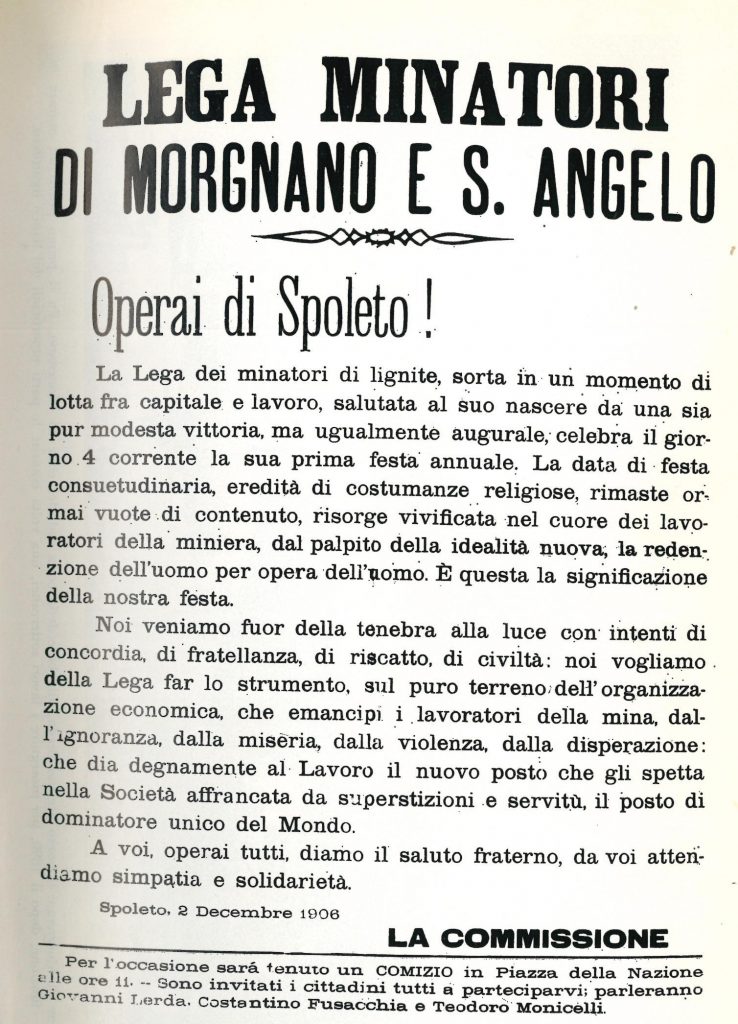
In 1954, in the aftermath of the Ribolla mine accident, urgent measures were demanded from every sector of parliament and the government undertook to take them promptly. The accident prevention law of 12 February 1955, introduced after the Ribolla massacre, was applied in all industrial companies except for mines, quarries and peat bogs. The situation was therefore tragic, paradoxical but unfortunately real.
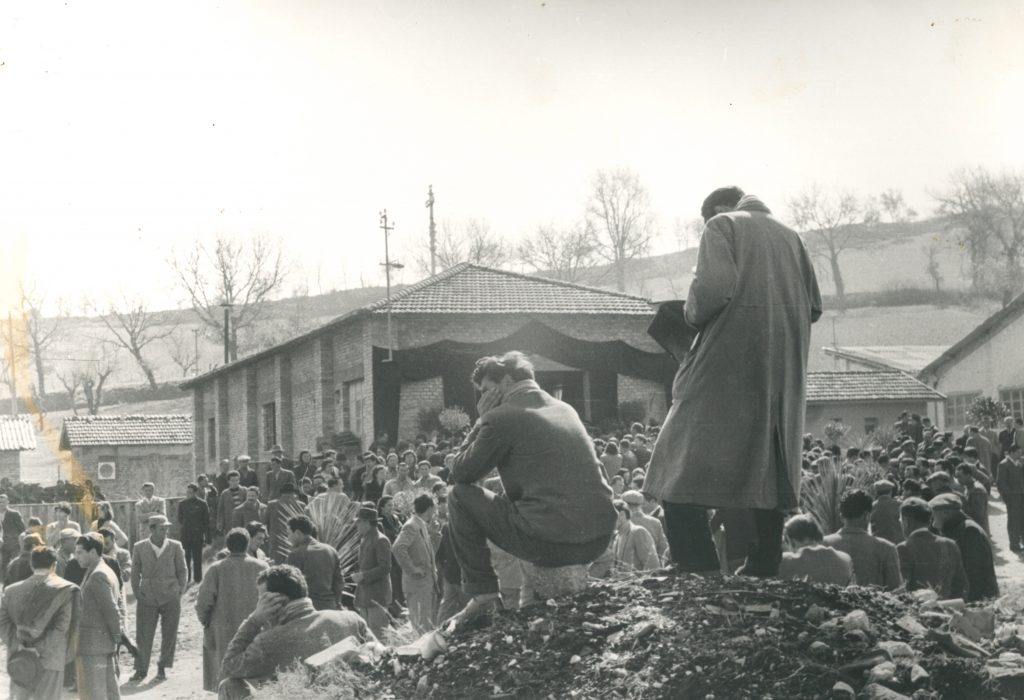
The tragedy
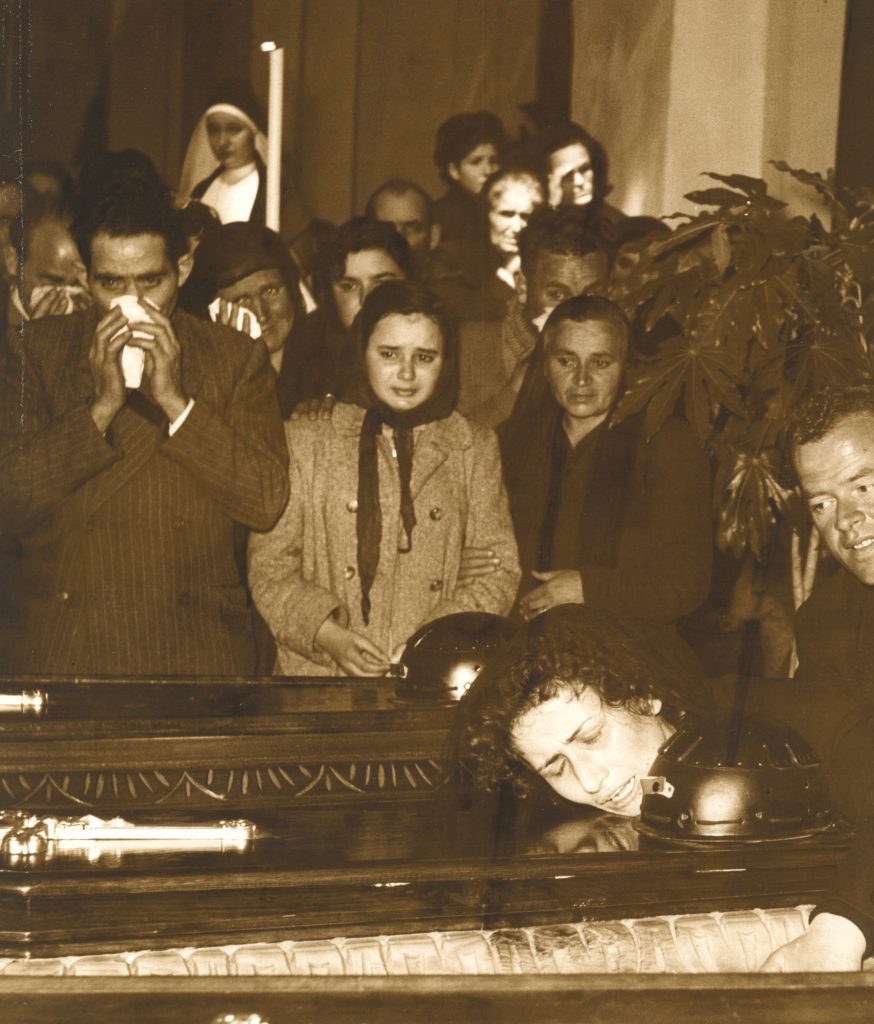

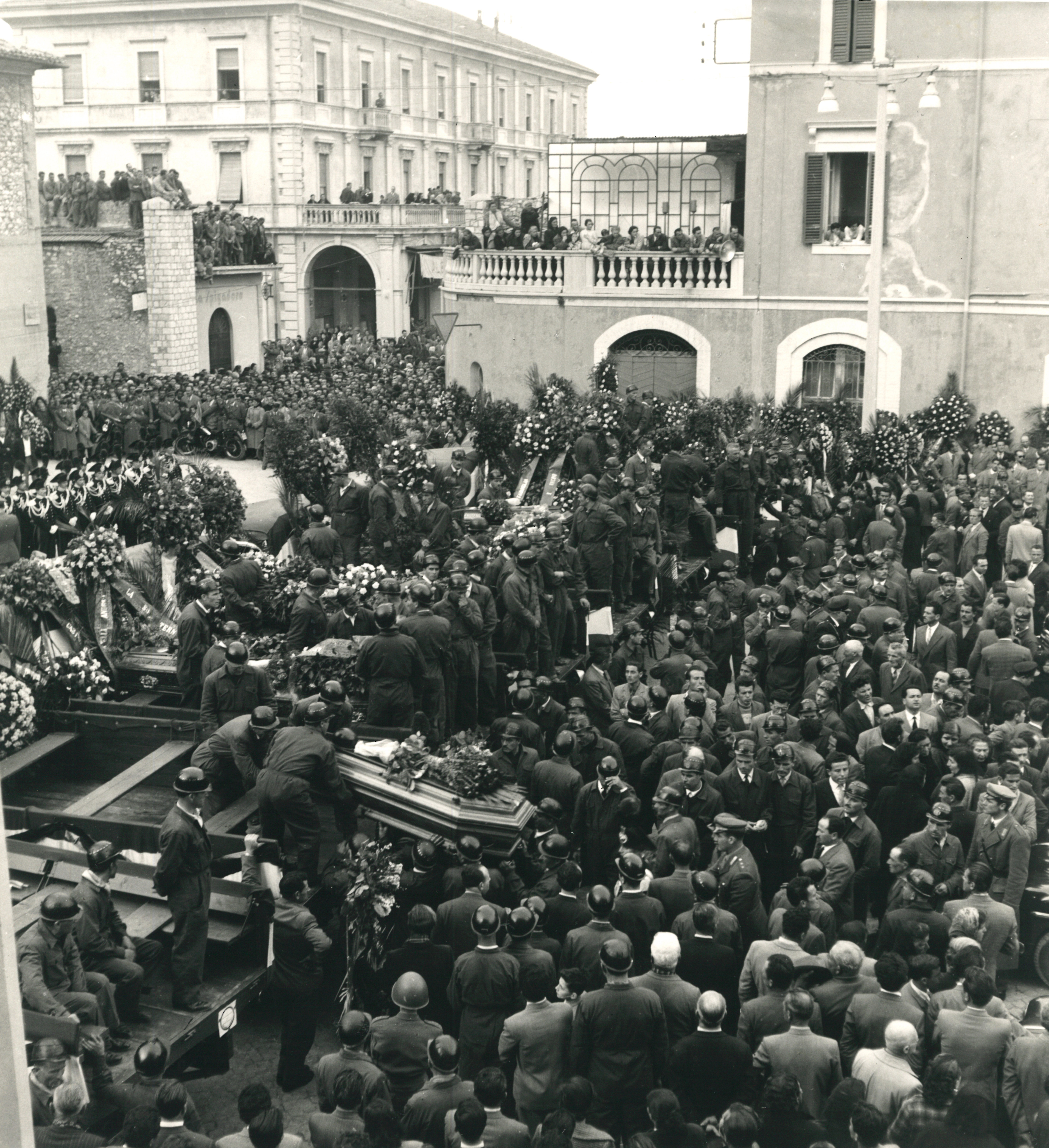
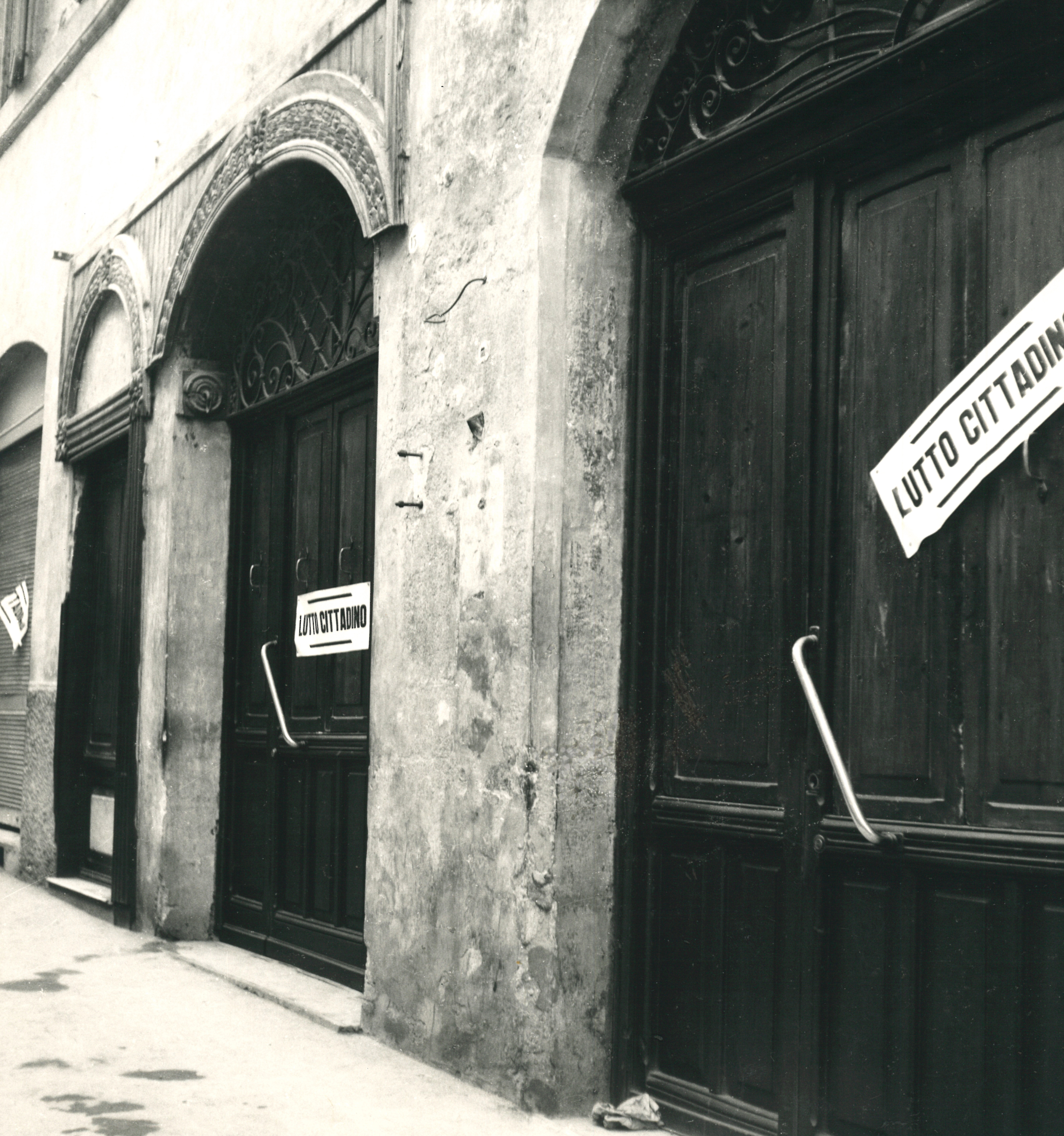
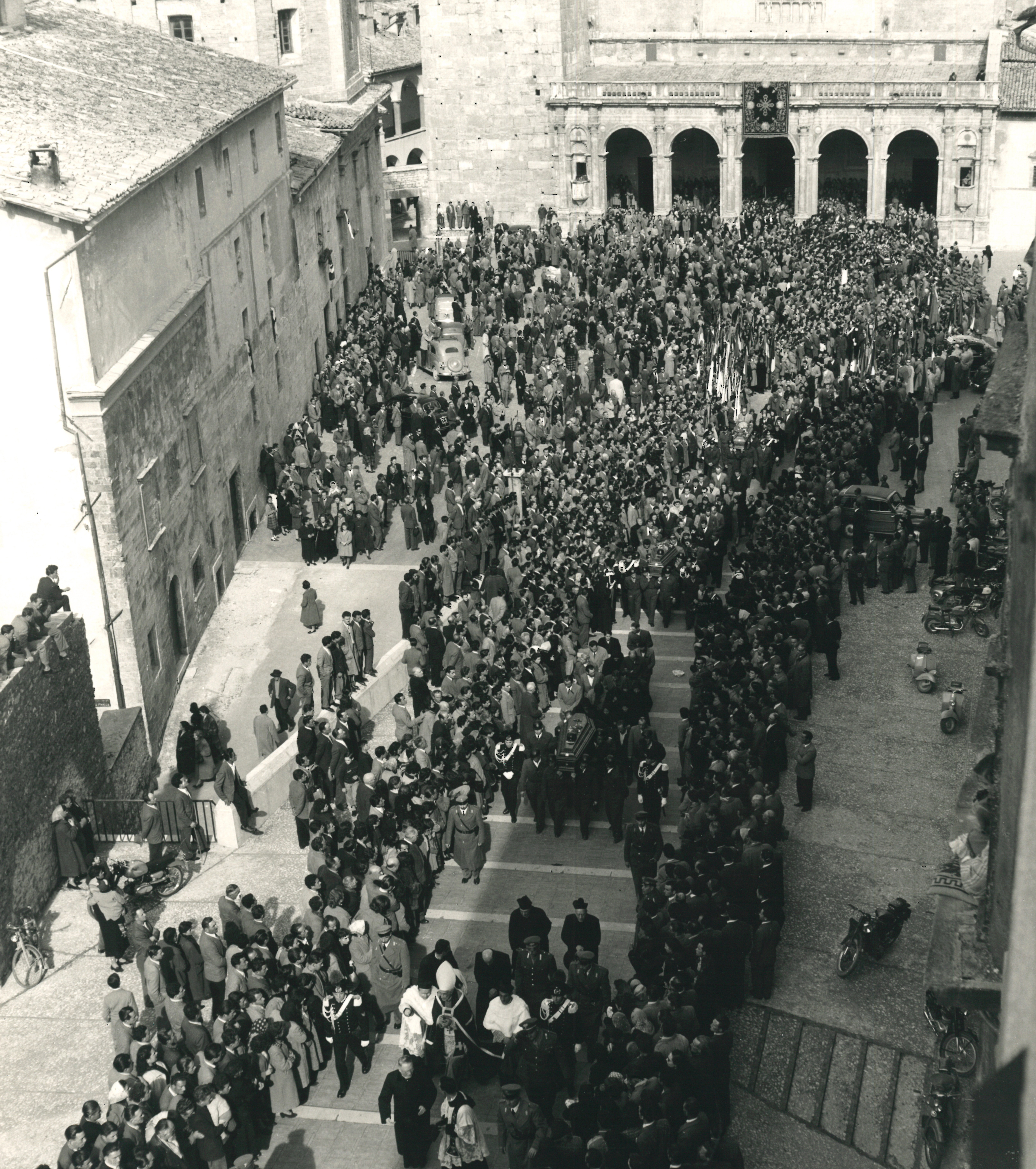
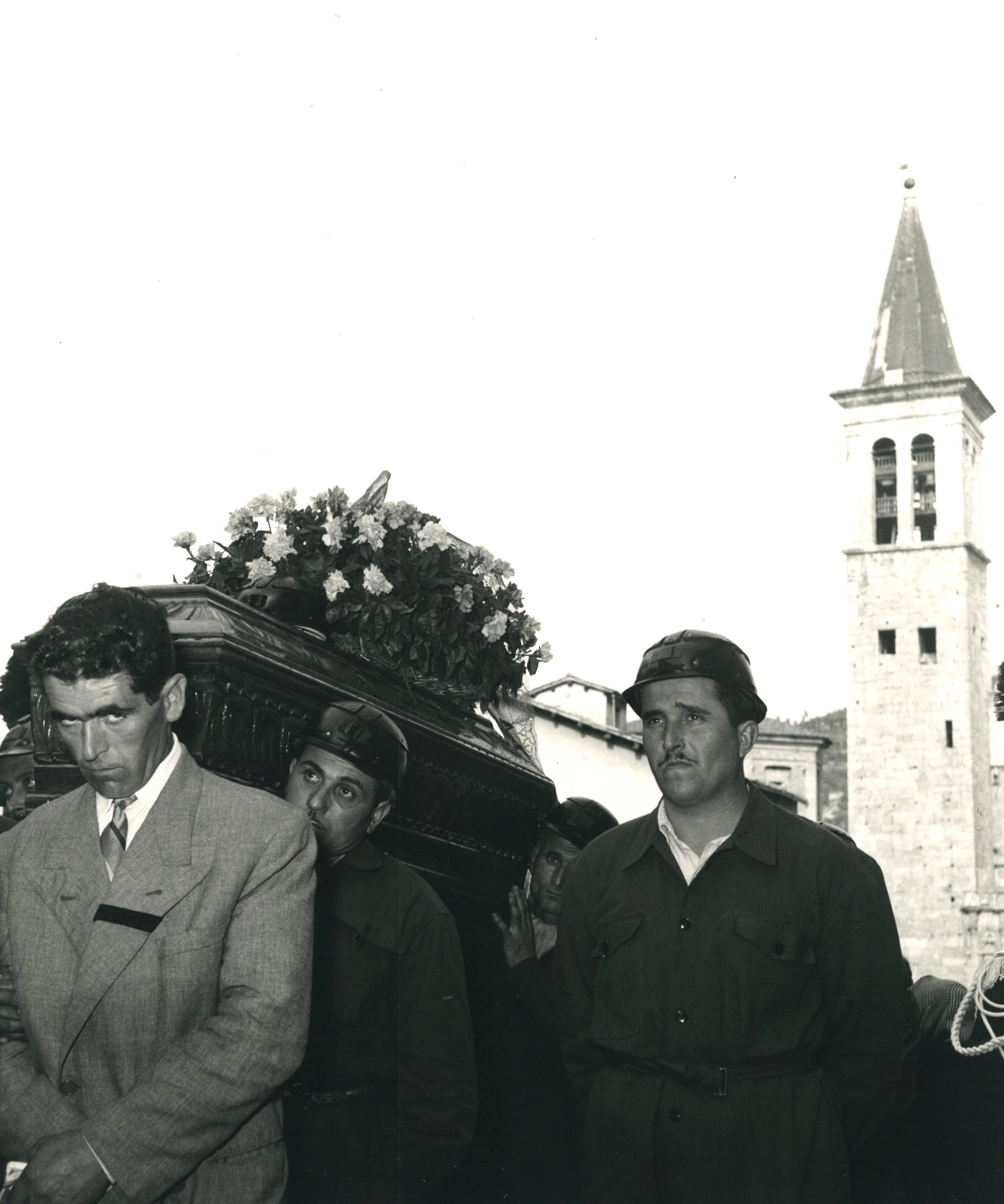
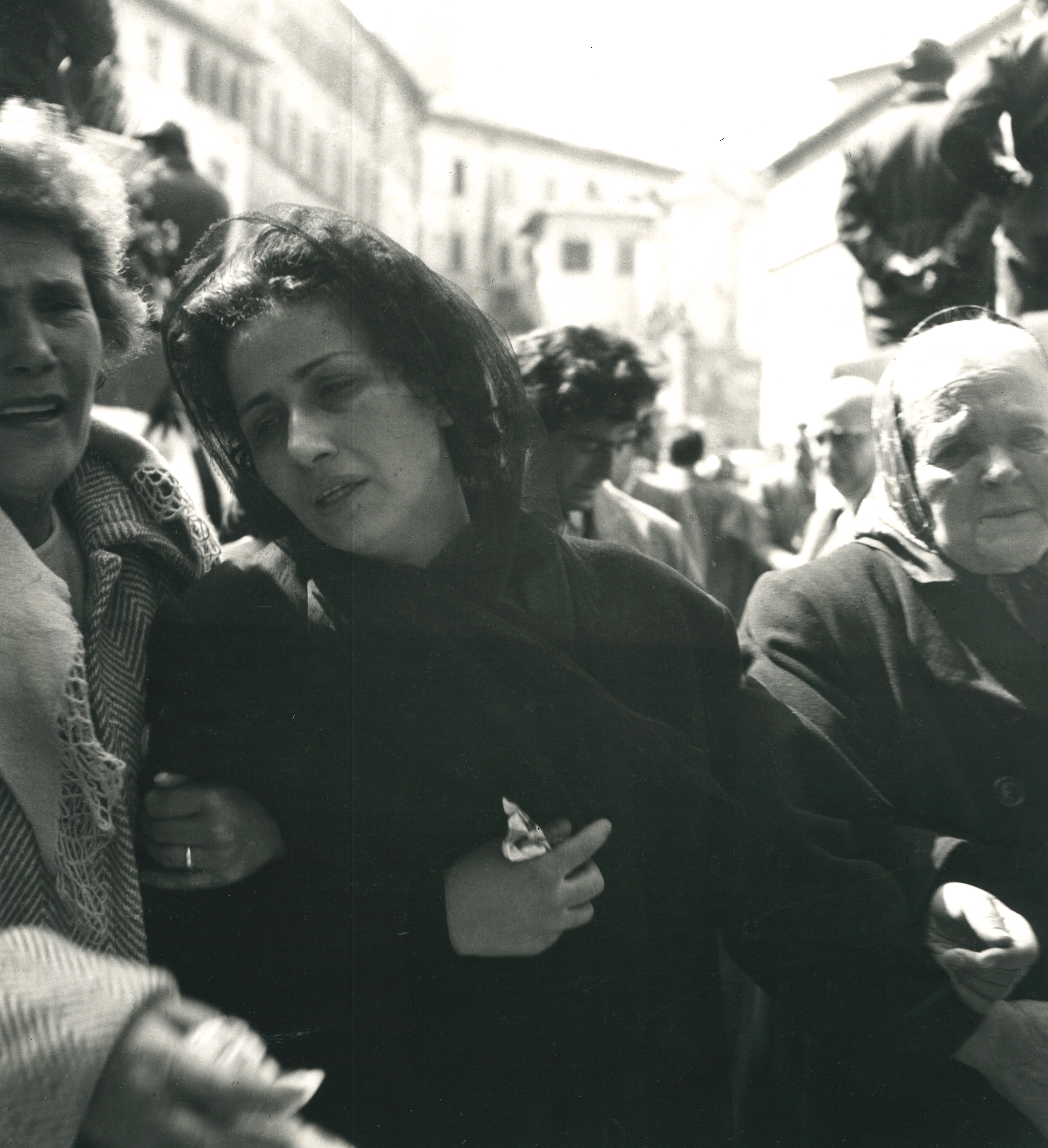
22 March 1955, dawn: a wave of firedamp, which later became explosive, struck 23 miners dead, injuring 18. A huge, unexpected mourning affected not only the families directly involved. The whole of Spoleto was wrapped in unreal silence. Impotence, dismay and despair for the 23 bereaved families. The news hit all the national newspapers like a boulder. CGIL union official Giuseppe Di Vittorio personally expressed his condolences to the city.
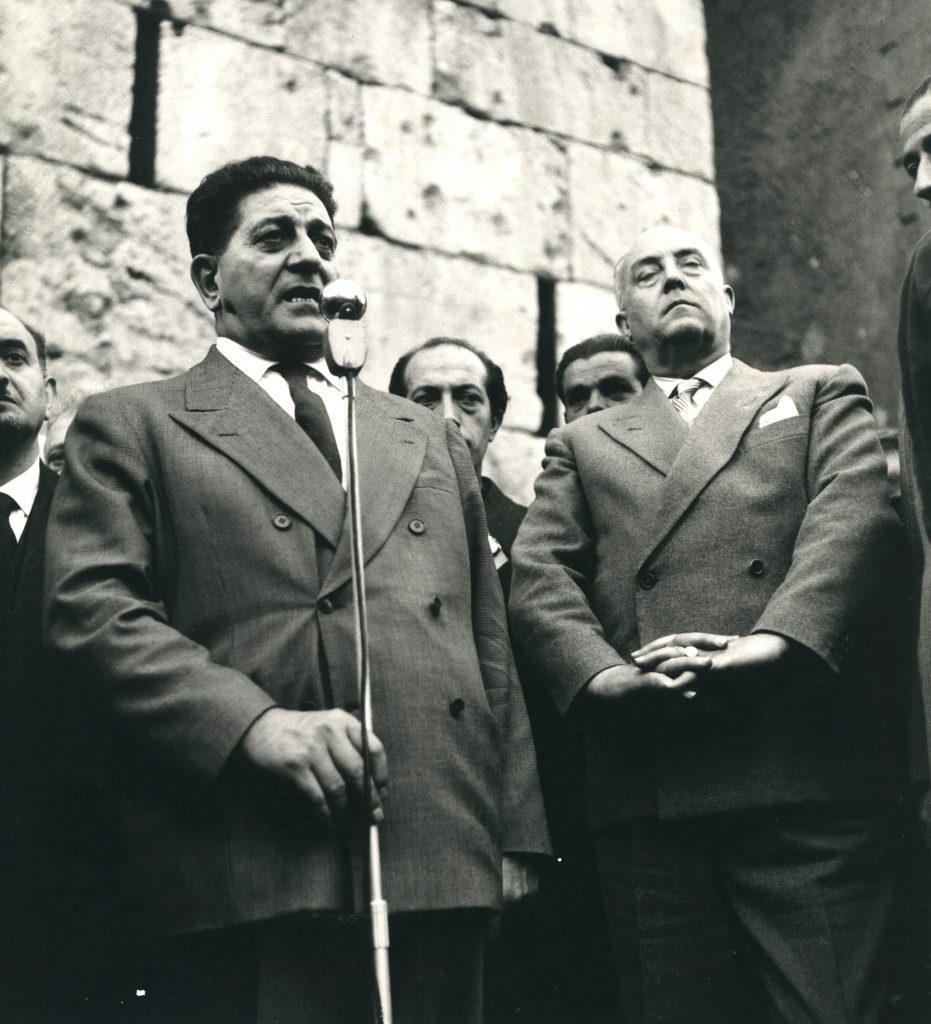
The Mines’ Museum
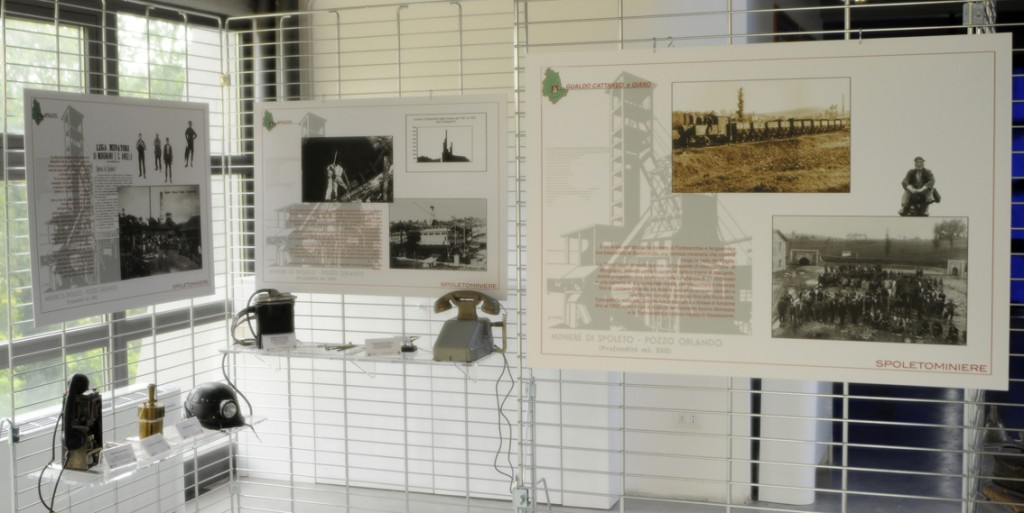
On the very site where the entrance to the mine once stood, on the Orlando shaft, there is now a museum, a point of reference for the study and knowledge of the city’s memory. Inaugurated in March 2009, it stands as a symbol of the memory of mining work, which has marked the life of the city of Spoleto and its territory for almost a century. The museum offers a visit to the exhibitions with the guidance of former miners, direct witnesses of the work in the mines, and also hosts events related to the history of the mines in an evocative setting.
Some of the pictures published here courtesy of laboratorio fotografico Benvenuti Elio