

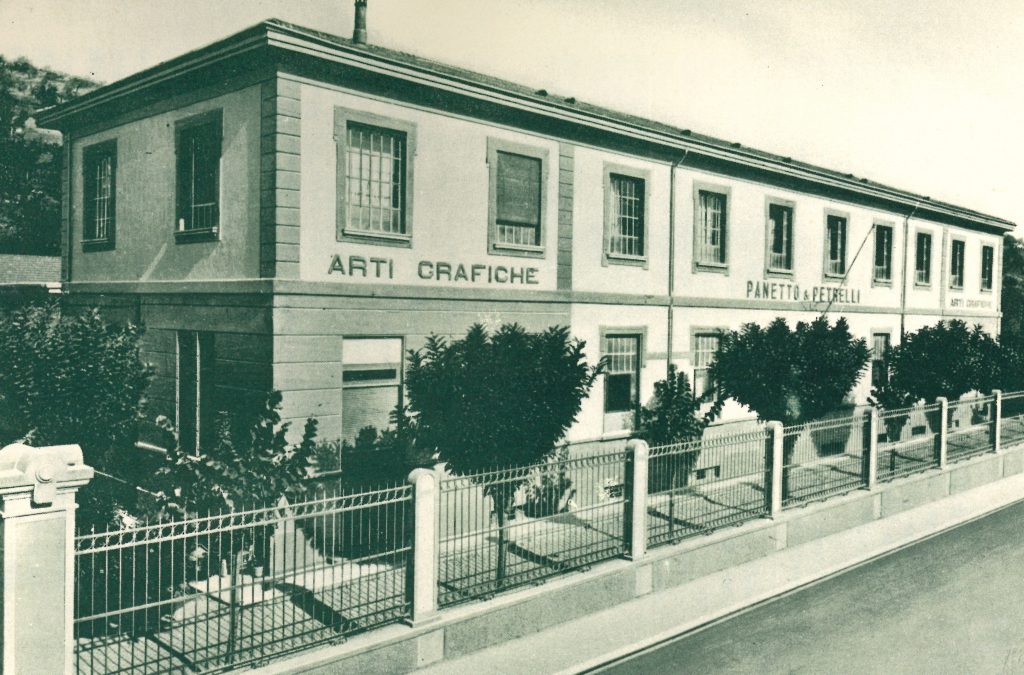
In a city with a long printing tradition, whose first evidence dates back to the 15th century city statutes, the story of the Panetto & Petrelli printing house is an exemplary parable of a company that started out with modest means and managed to achieve excellence. It’s the story of an adventure that was fundamental to the productive fabric of Spoleto, of a company that was able to compete with an international market, producing a body of work that is also fundamental to understanding the cultural profile of the city.
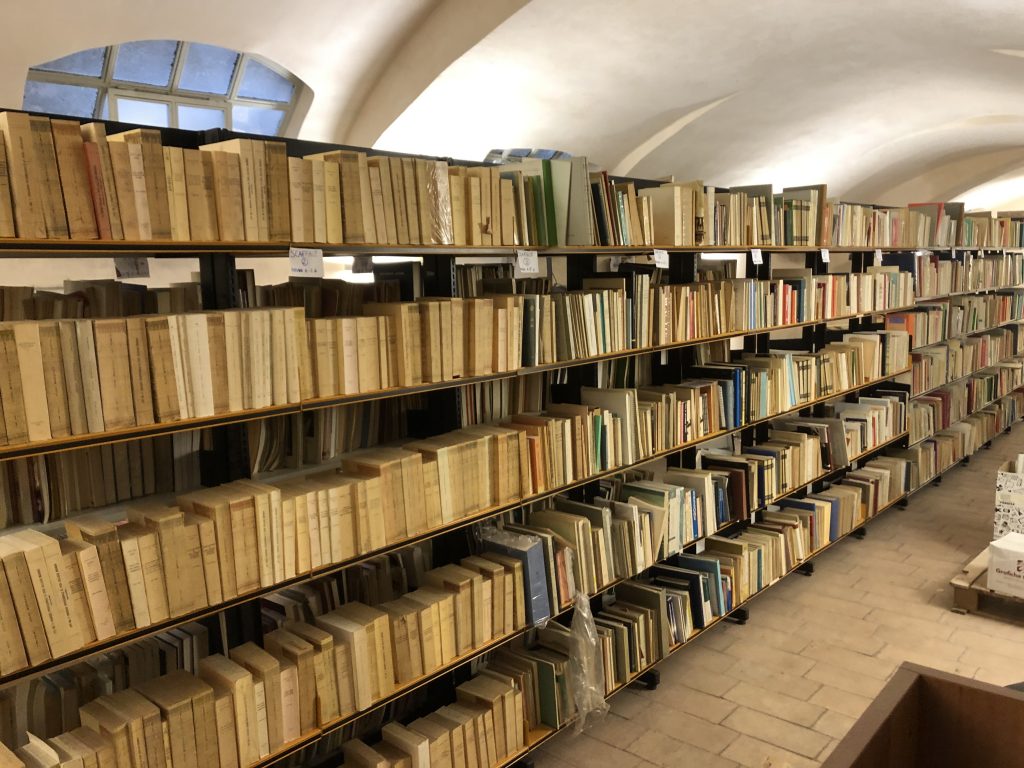
So here it is, a brief overview of the history of the Spoleto printing house, based on narrative outlines and visual themes, thanks to the copious material in the Panetto & Petrelli collection kept at the Carducci Library, from which we have taken the following data, documents and photos.
The Origins
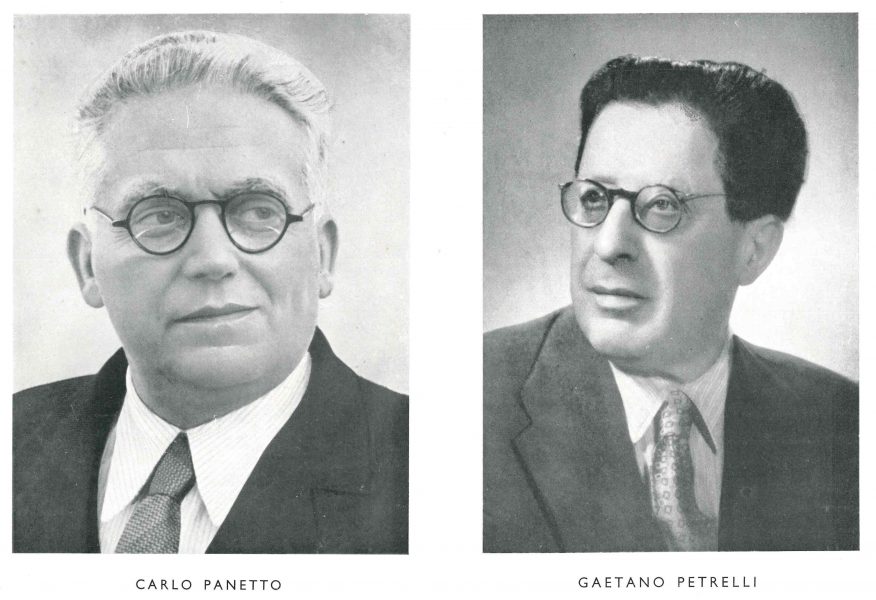
In December 1902, two workers from Spoleto, Carlo Panetto and Gaetano Petrelli – young apprentices in various local printing houses, initiated into the art of typography thanks to the teaching of Vincenzo Bassoni, Paolo Bossi and Virgilio Alterocca – took the plunge and took over the Ragnoli-Annesanti printing house, a historic printing house in Spoleto which, among other things, published the socialist weekly ‘La Giovane Umbria’. In the December 14, 1902 issue of the weekly, the former administrator Ragnoli bids farewell to his public sure to ‘leave a new and fresh energy in my place‘.


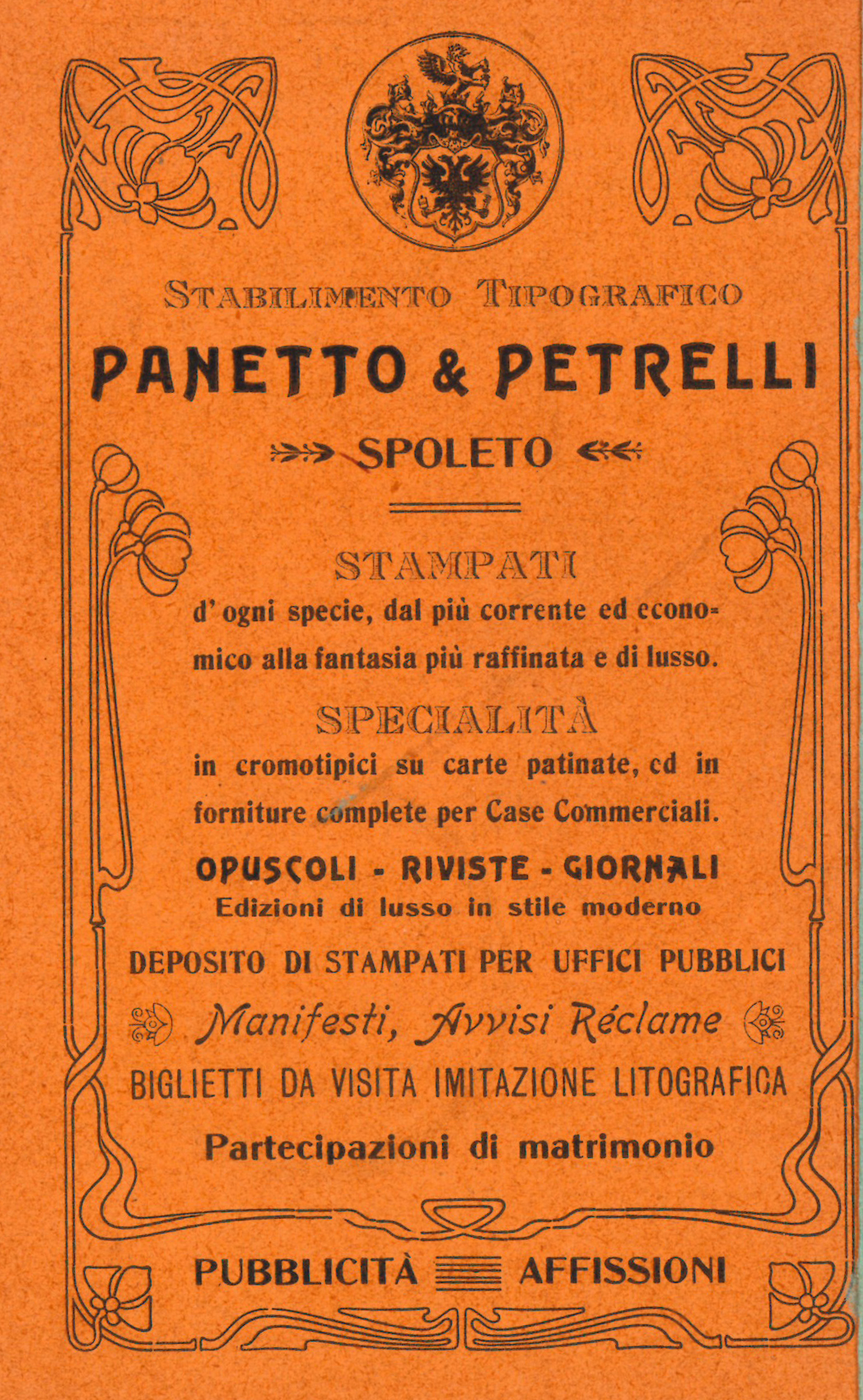
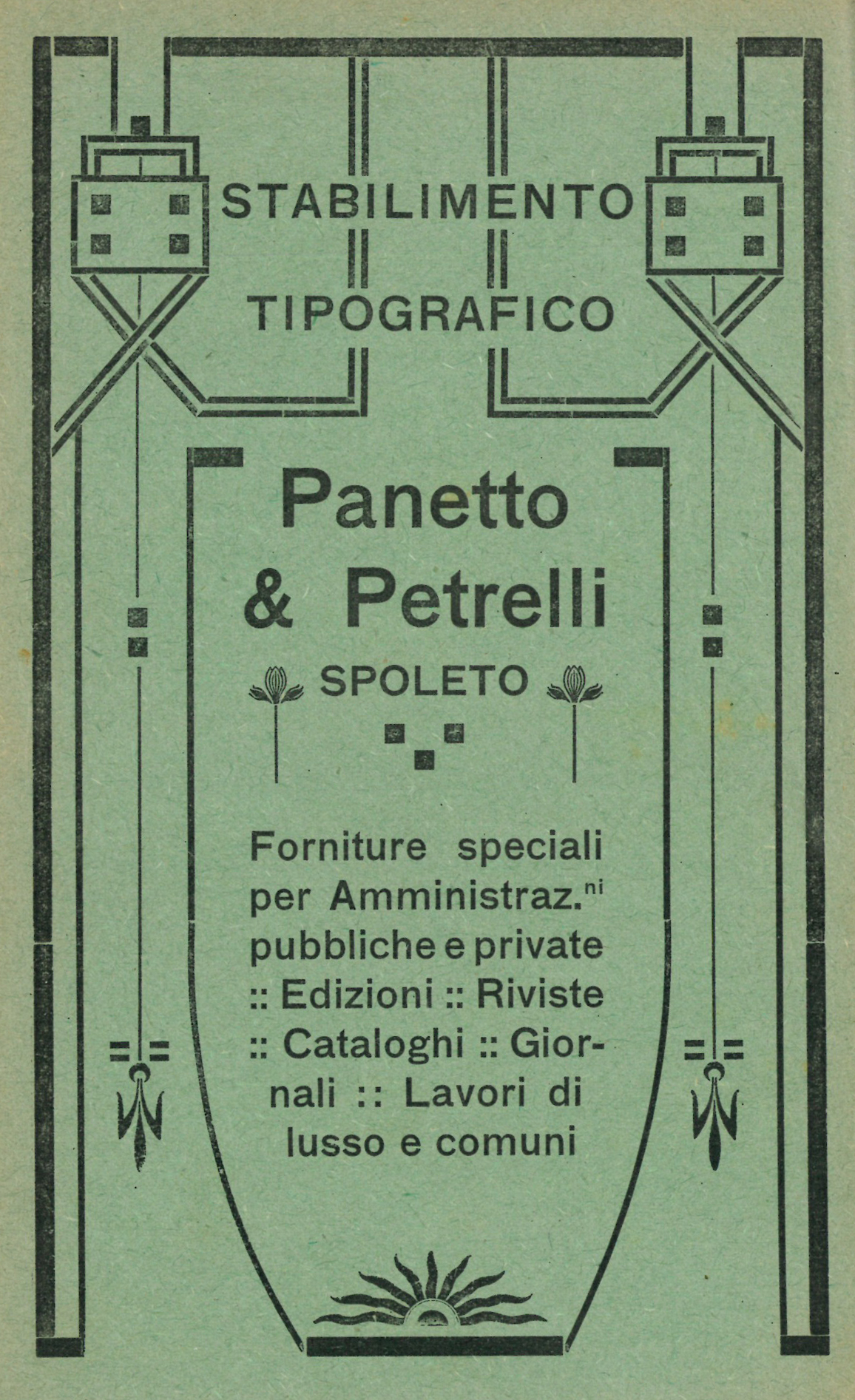
At that time, the new business venture of the two young men from Spoleto was advertised in the “Giovane Umbria” (issue of April 26, 1903) as “Tipografia Ragnoli-Annesanti conducted by Panetto&Petrelli“, and was headquartered in Palazzo Marignoli (now Palazzo Spada) in Via delle Terme; the company “worked for industrialists and shopkeepers, catalogues and price lists, posters and advertising signs, luxury work, storage of all printed matter for tribunals and magistrates’ courts”.

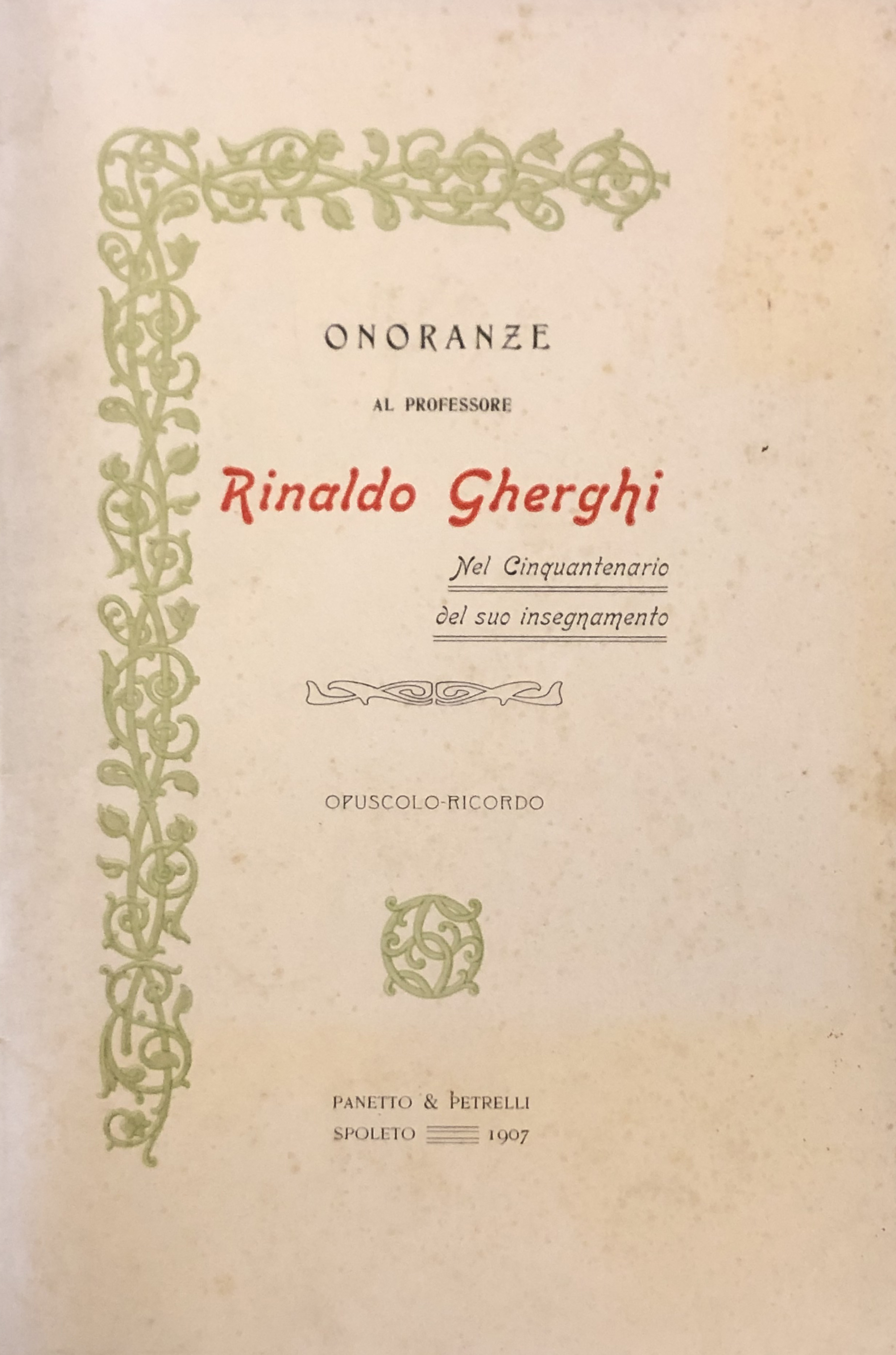
A few years passed, the two enterprising printers – according to the chronicles of the time, Carlo was more technically inclined and Gaetano more commercially minded – moved to Palazzo Poli in Via Giustolo. In 1905, Panetto & Petrelli printed one of the first guides to the city, signed by Angelini Rota and titled ‘Spoleto and its surroundings’.


Around 1910, according to a statistical study of economic and industrial Umbria, the printing house could count on three lithographic-type machines, a cutting machine, a stapler, a perforator, and was powered by electricity, a 3 HP motor. It employs eleven workers. The typographic work produced consists of various printed matter used in public administrations, offices, commerce, as well as in the printing and publishing industry.


By the end of 1913, in the wake of the great fervour that characterised Italy under Giolitti’s terms, the two partners decided to invest in new machinery and equipment, and moved to a larger building in Piazza Sordini. In a short time, the printing house became one of the most popular not only in the region, but Panetto & Petrelli also opened up to the national market, especially Rome. The many important orders imposed larger, more functional headquarters.
The 1920s: expansions, new machinery and the first prestigious commissions
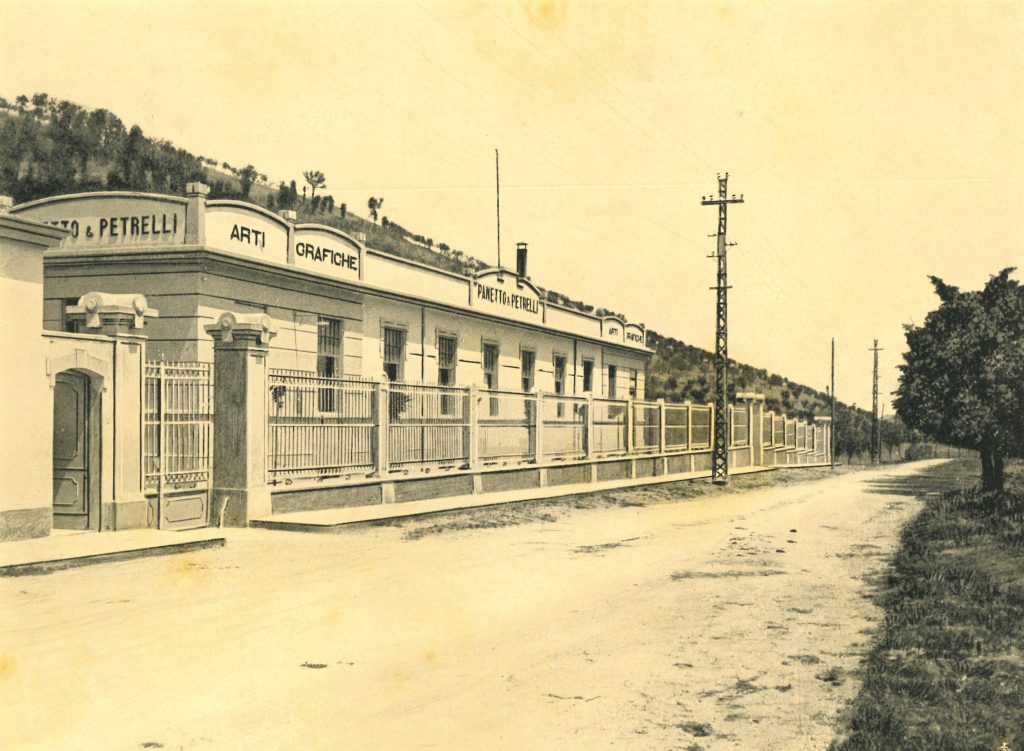
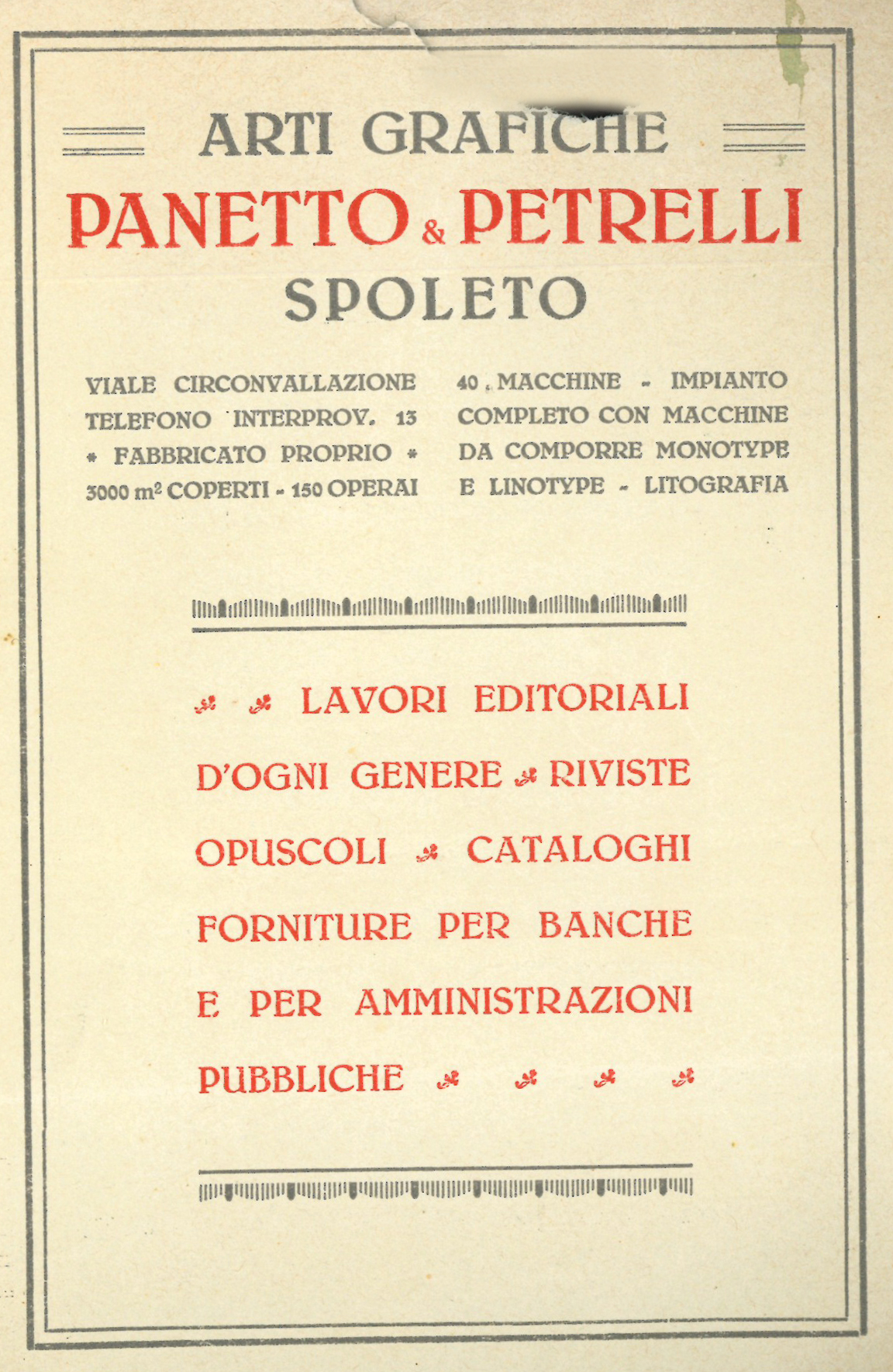
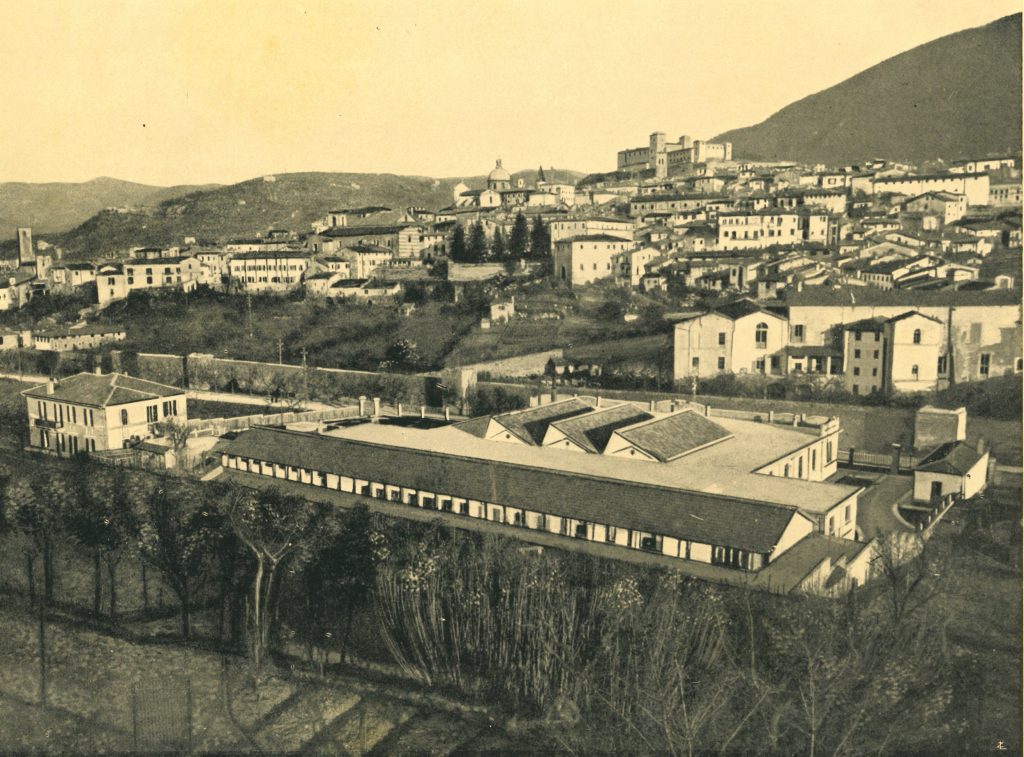
A new plant was designed and built in 1920. Just outside the walls of Porta San Matteo, along what was then called Viale della Circonvallazione (today’s Via Martiri della Resistenza), the new structure across 7000 square metres was one of the first reinforced concrete constructions ever in Spoleto.
Also active in the city during the 1920s were the Tipografia dell’Umbria, headed by Carlo Moneta in Palazzo Mauri in Via Brignone, and Fasano e Neri, which had replaced Panetto & Petrelli in the former premises of Piazza Sordini.




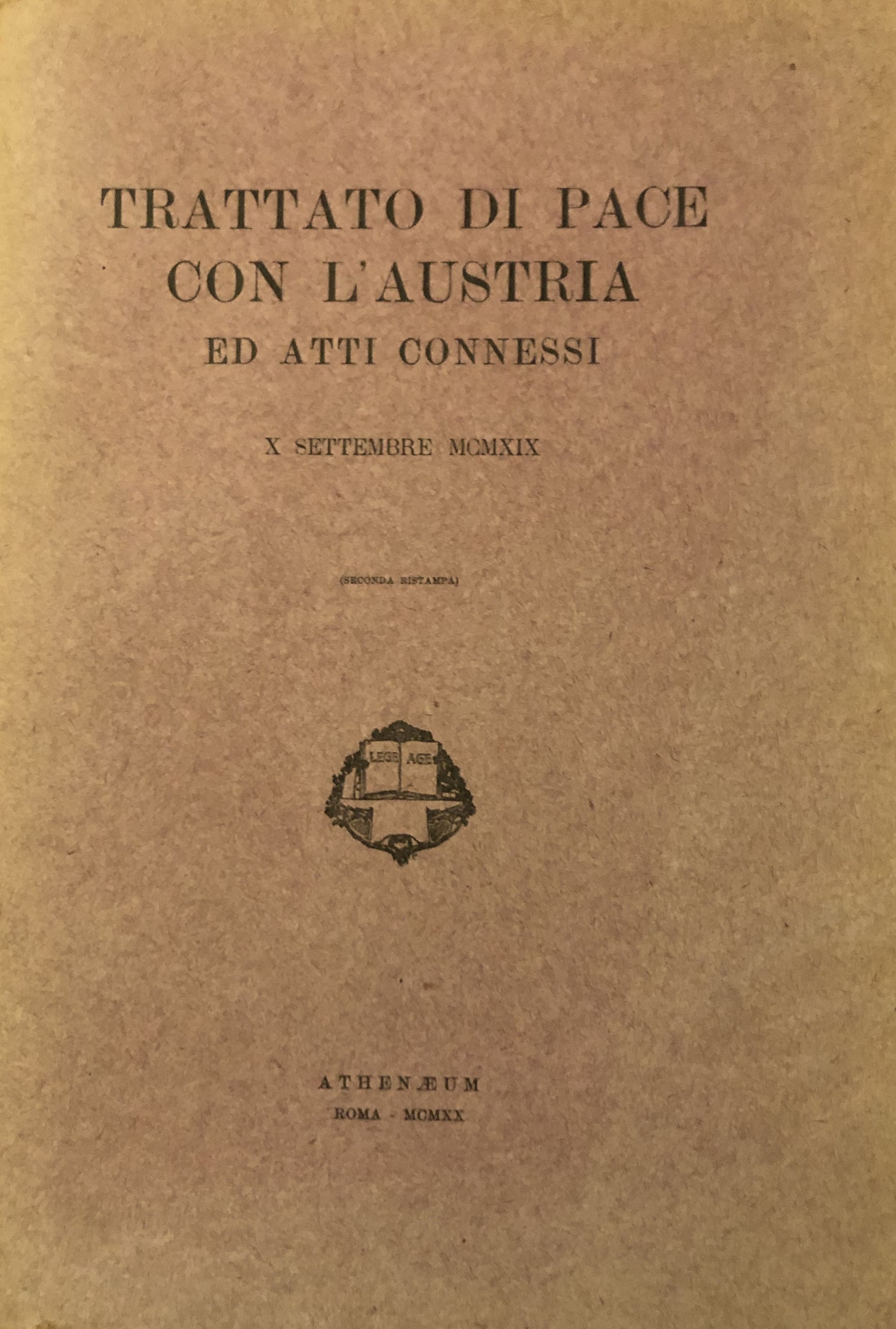
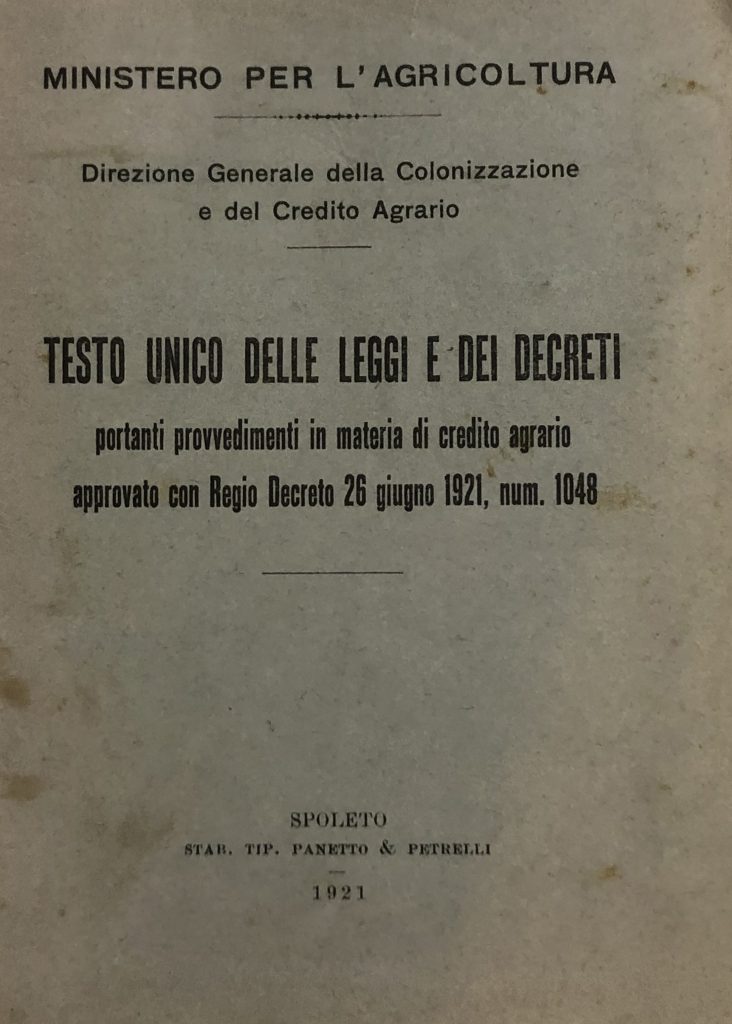
The first publications printed by Panetto & Petrelli on behalf of ministries, parastatal bodies and important publishing houses date back to those years. Among the over 2,000 volumes in the Carducci Library, the printer’s copious fund includes two collections of laws and regulations dated 1921, commissioned by the Ministry of Labour and the Ministry of Agriculture.
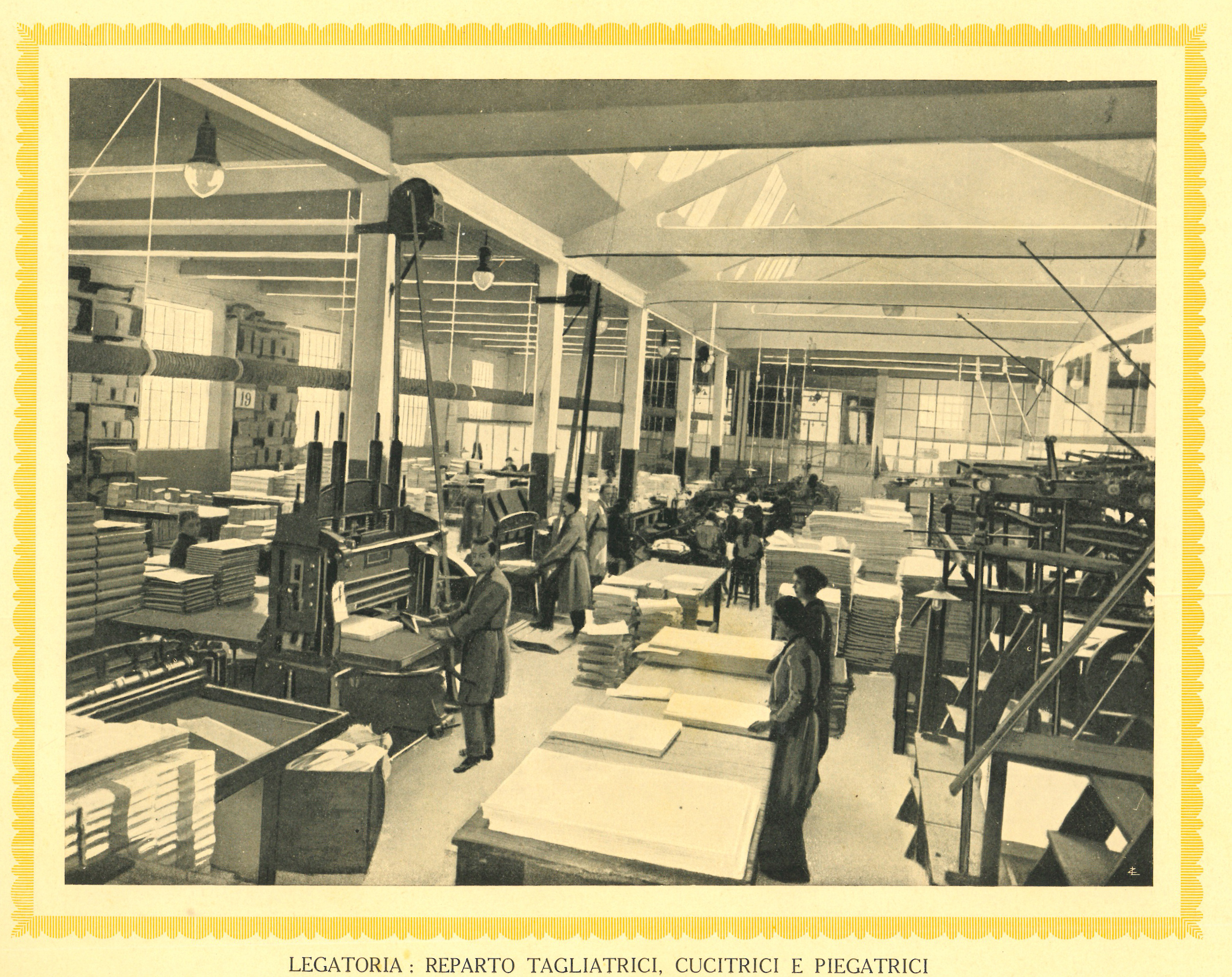
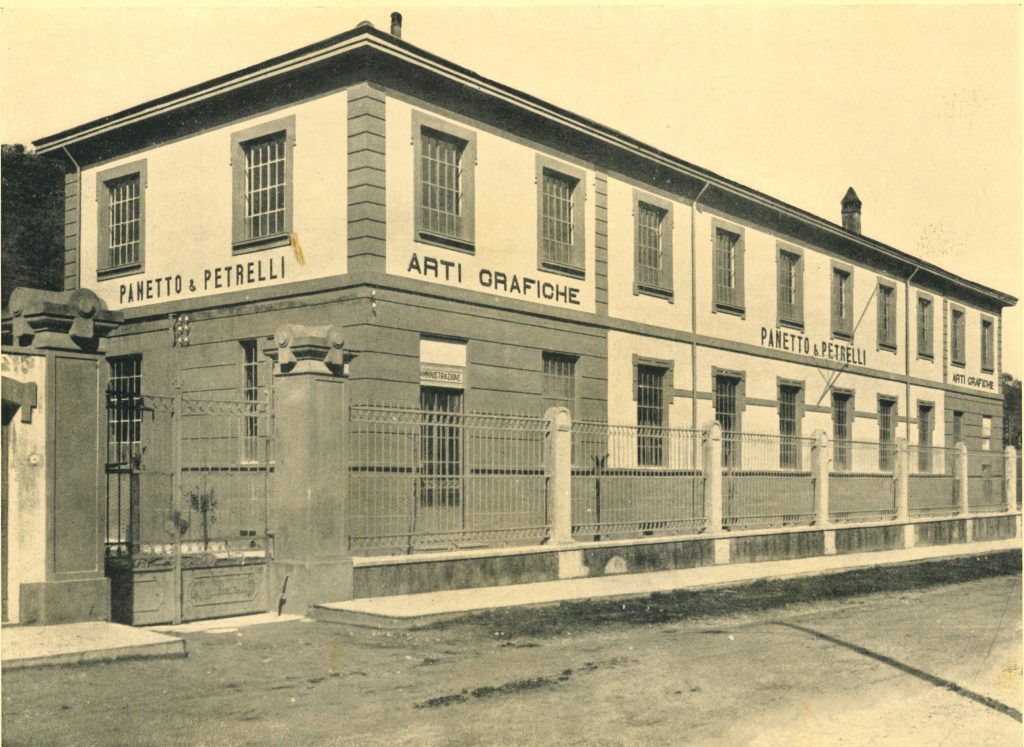
In 1926, increasing production, growing staff and a rising market led to the factory’s enlargement; an upper floor was added, destined for the lithographic department, with offset machines that could meet the new speed of industrial printing production.
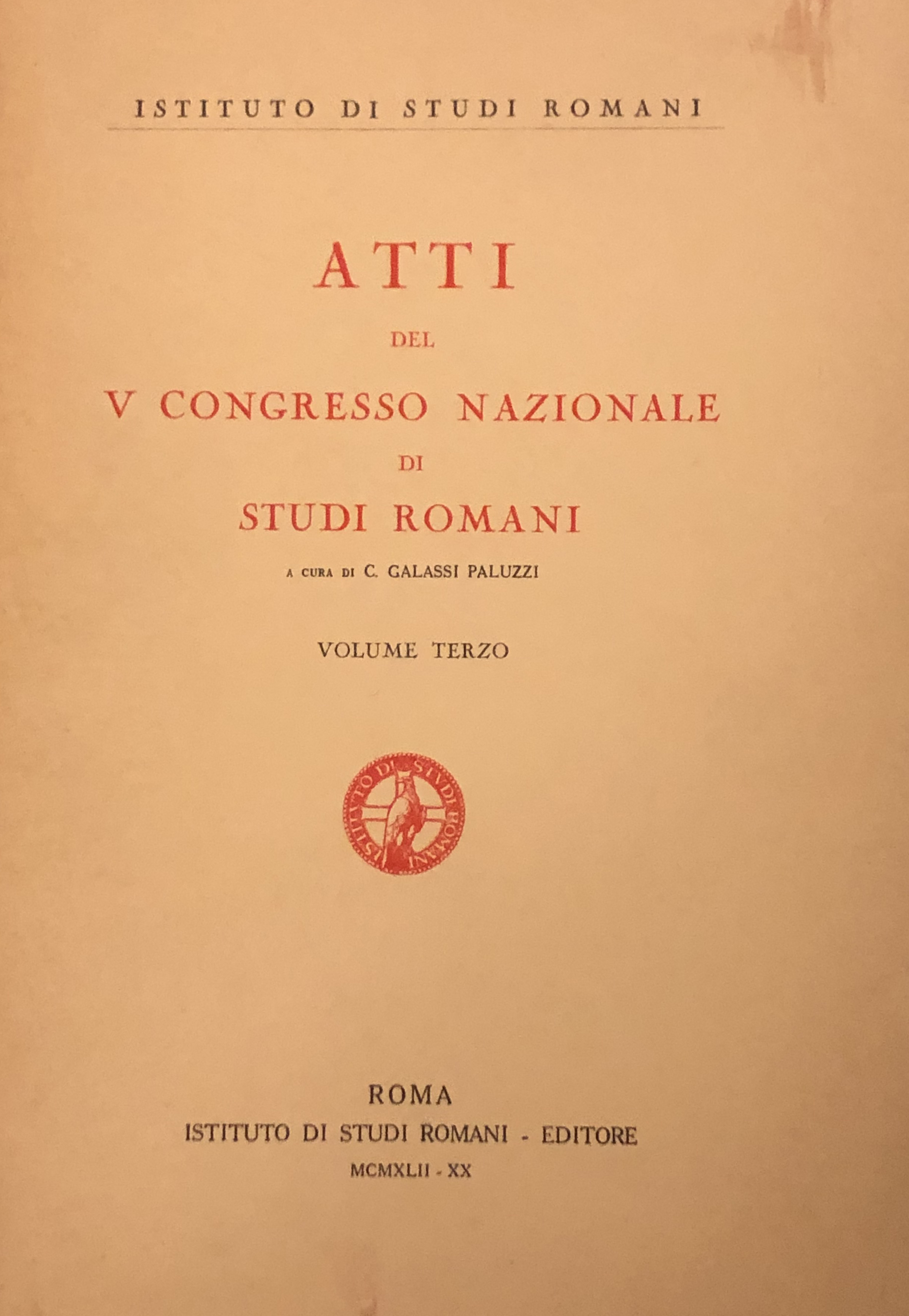
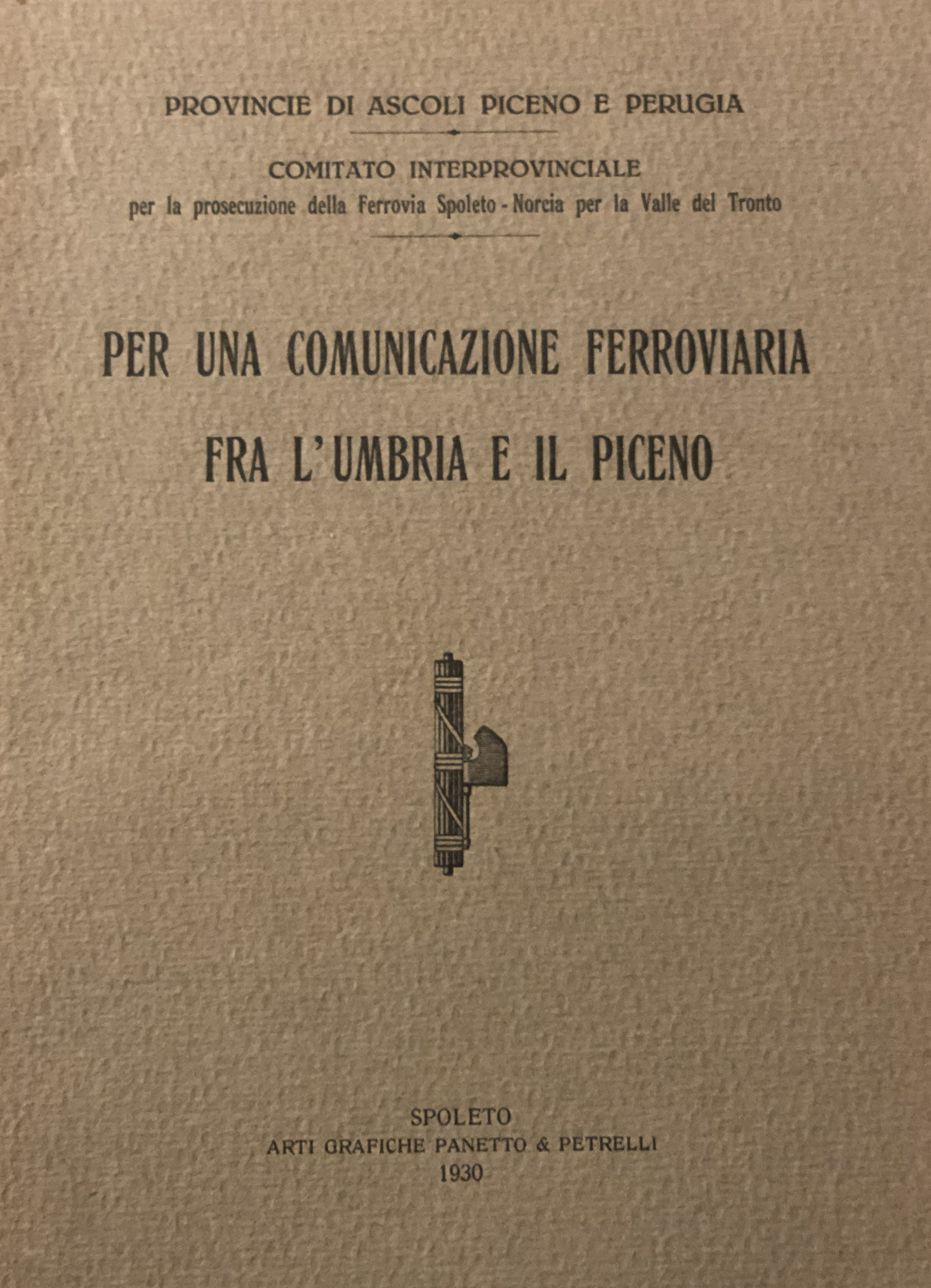
Panetto & Petrelli produced valuable art books, tourist guides printed in several languages, the great literature of the time, school manuals, prestigious collaborations with the Institute of Roman Studies and the Italian Statistical Society, as well as more local volumes such as those concerning the activities of the Spoleto Academy.

The Tragedy of War
During WWII, the factory was not spared from bombing and devastation: on 14 June 1944, the German troops on the run mined the machines, the warehouses were set on fire and the plant was compromised. But the first machine purchased, a 1902 Marinoni tablet press, was saved from destruction.
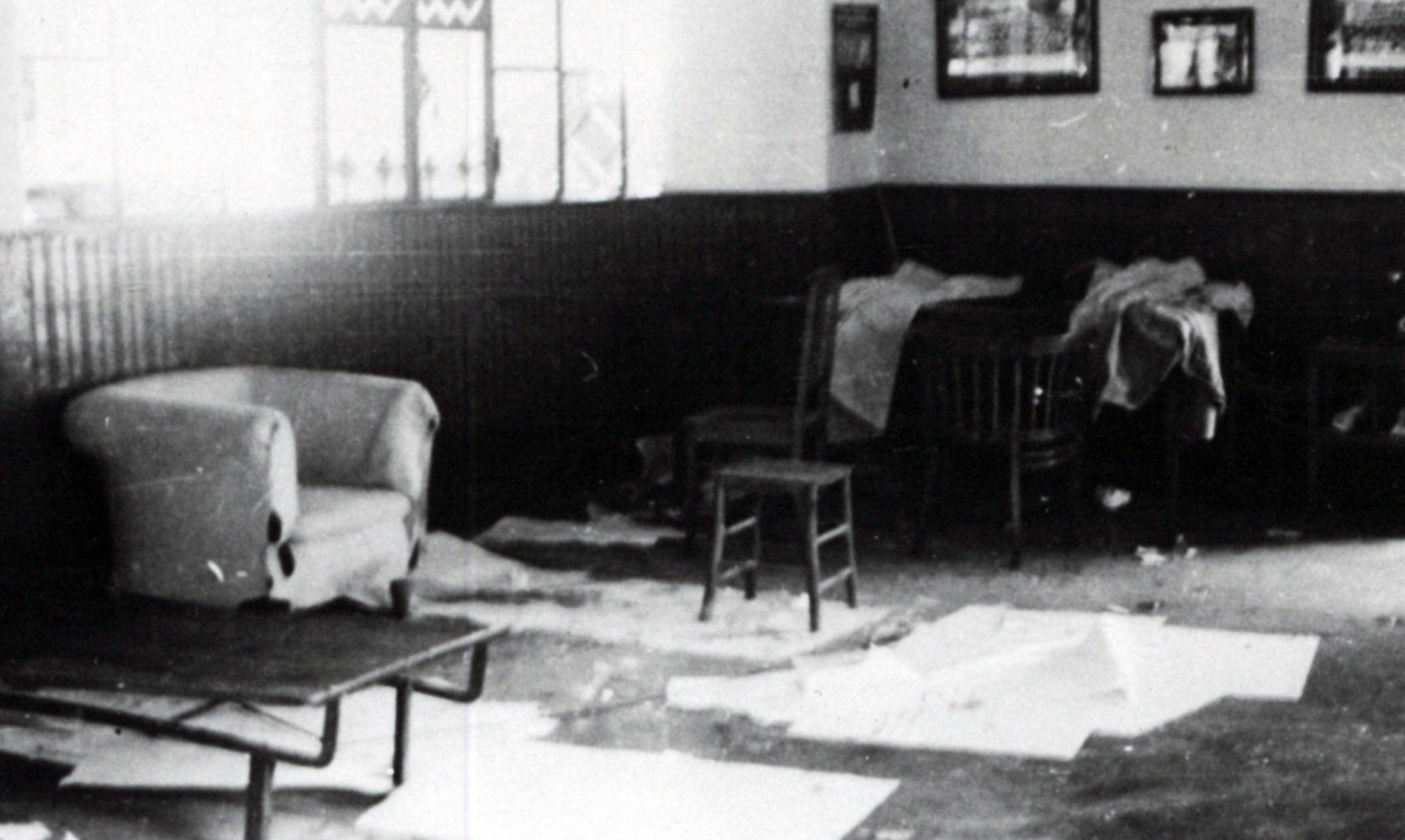
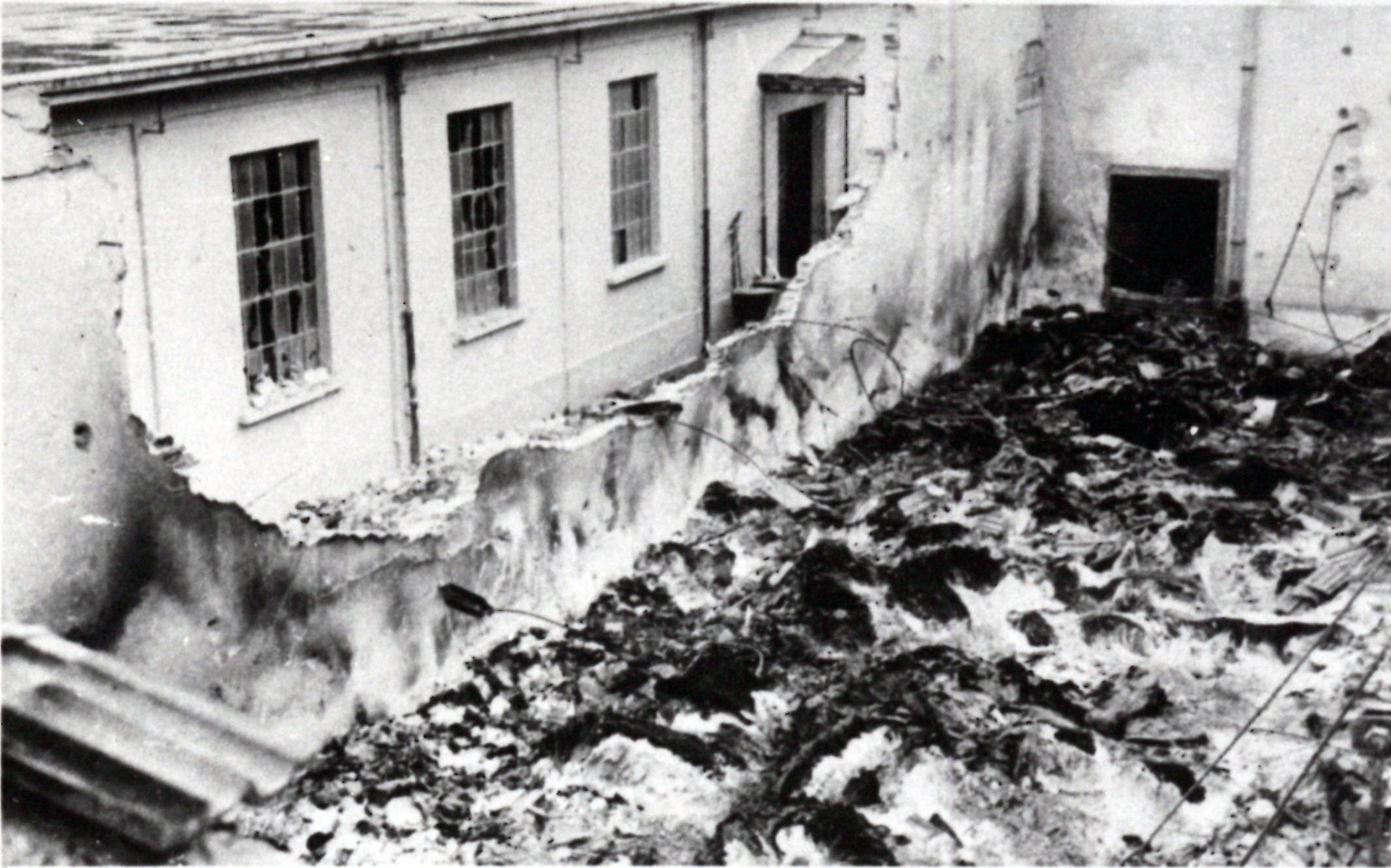
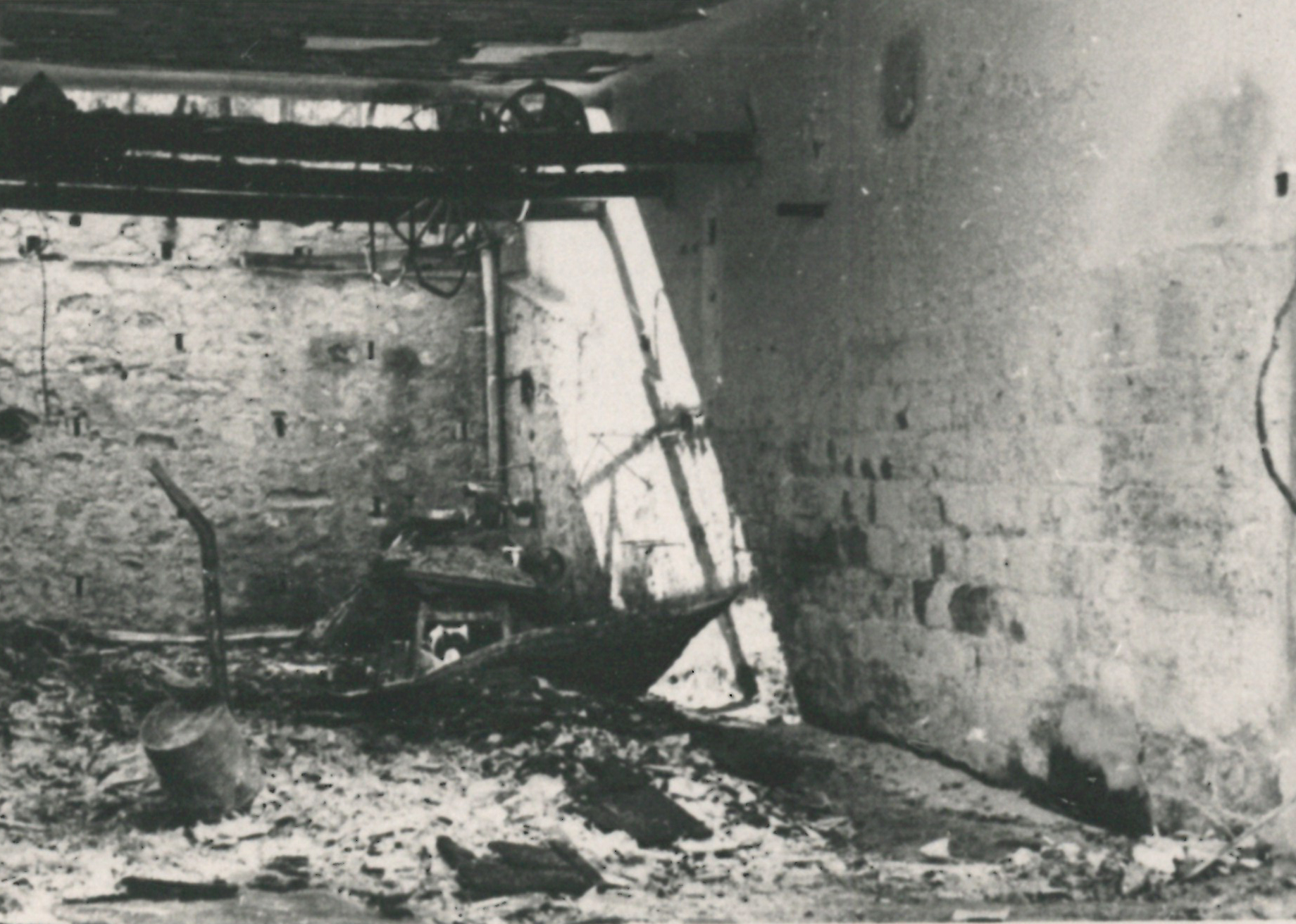

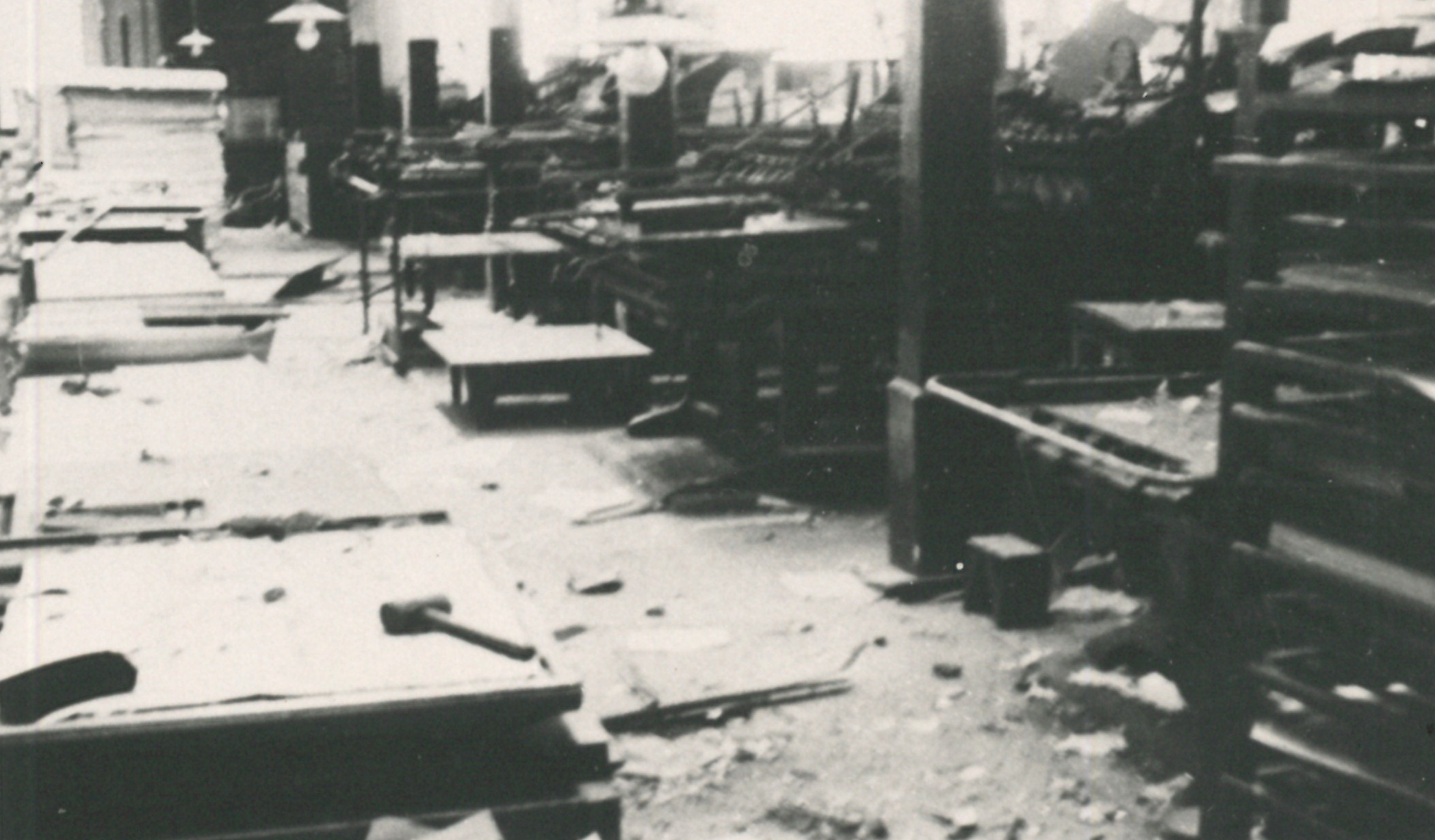

That day caused such disheartenment in Carlo Panetto that – although he did his best with his partner Petrelli to rebuild the company in no time – many thought that the Germans’ actions were among the reasons that led to his fatal heart attack in December 1945.
The Great Post-WWII Industrial Development
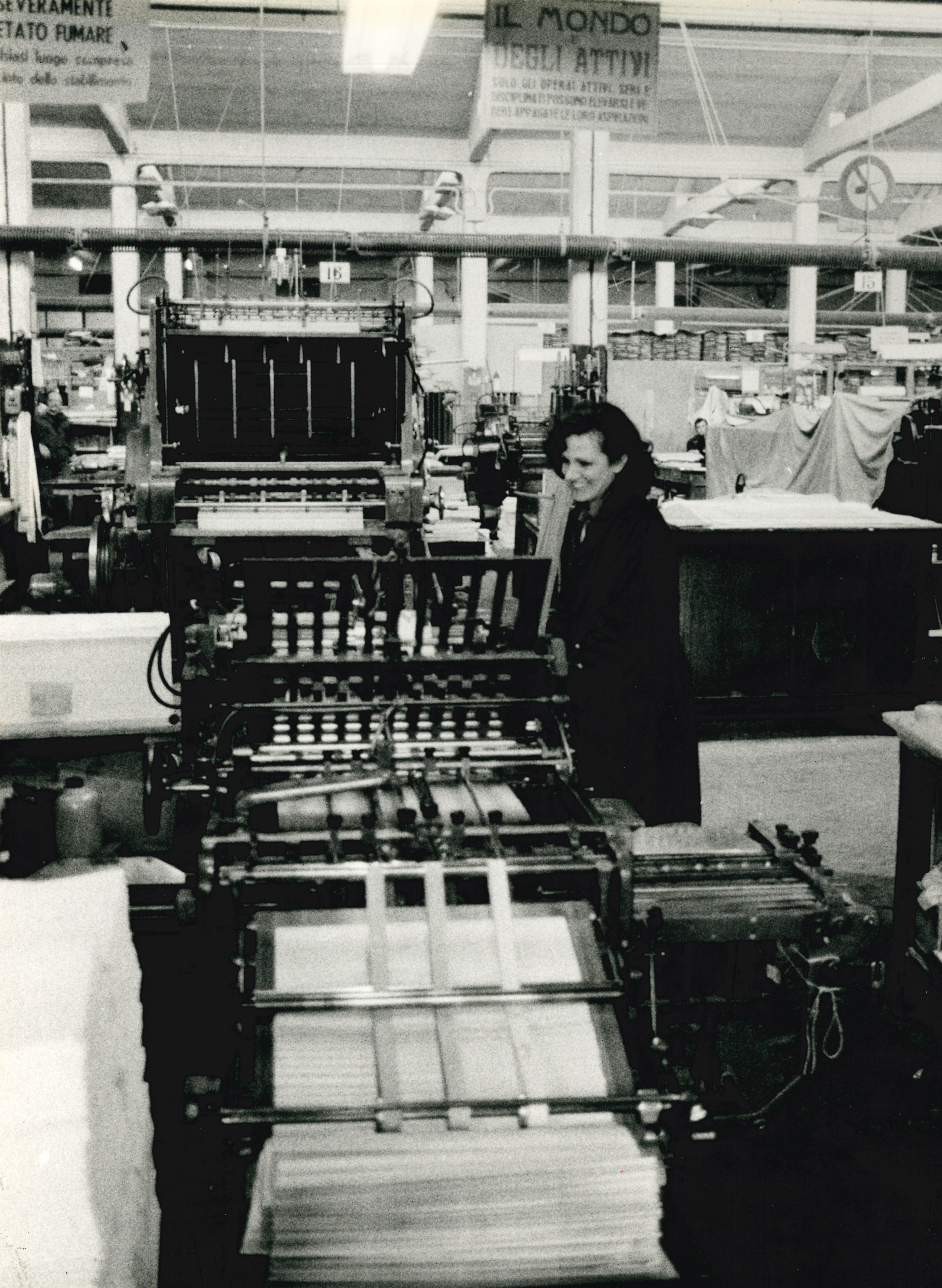
Led by Petrelli alone, the company emerged from the tragedy of war with indomitable energy and renewed entrepreneurial drive. In the early 1950s, 170 workers were employed in the factory under the presidency of Luigi Profili. Thanks to a series of investments and technological innovations that ensured absolute competitive standards, the factory became one of the most important industries in the area, with a significant impact on the economic and social fabric of the city.
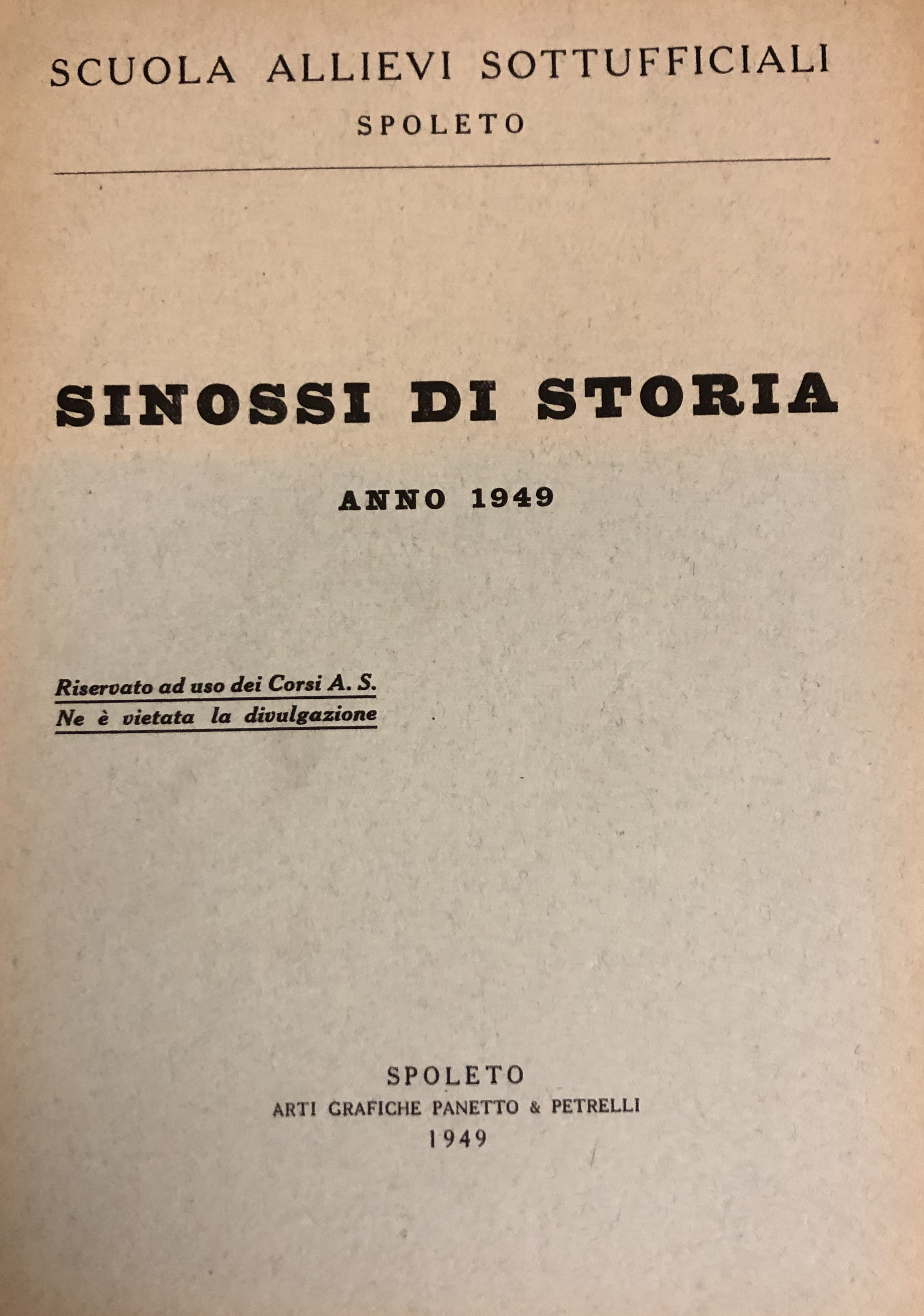
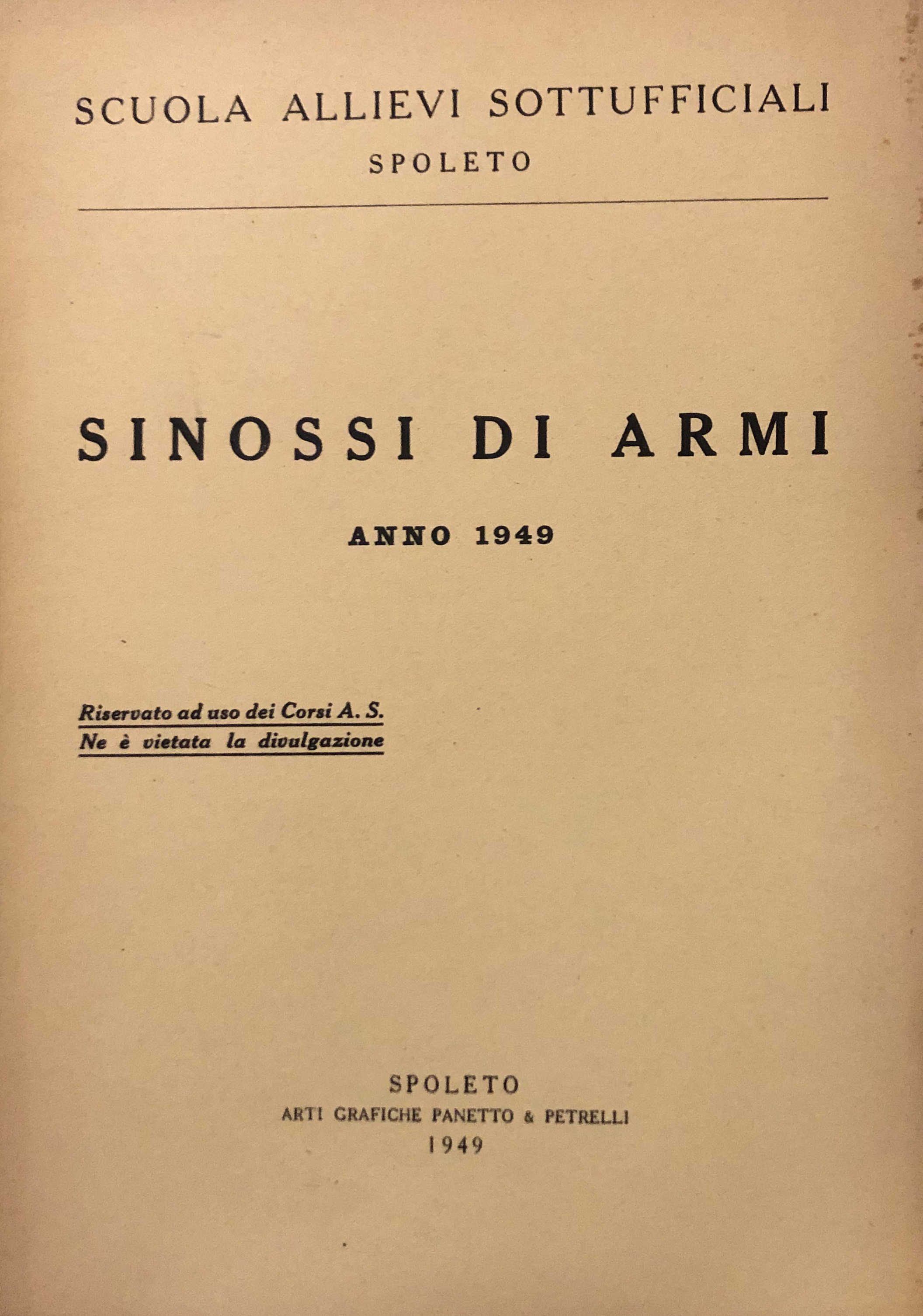
According to the documents of the time, ‘the plant is equipped with 19 printing presses, 4 lithographic presses, 5 monotype presses and 30 complementary set-up machines‘. It was during these years that the foundations were laid for a series of prestigious works and extraordinary collaborations that would make Panetto & Petrelli a rising star in national printing production.
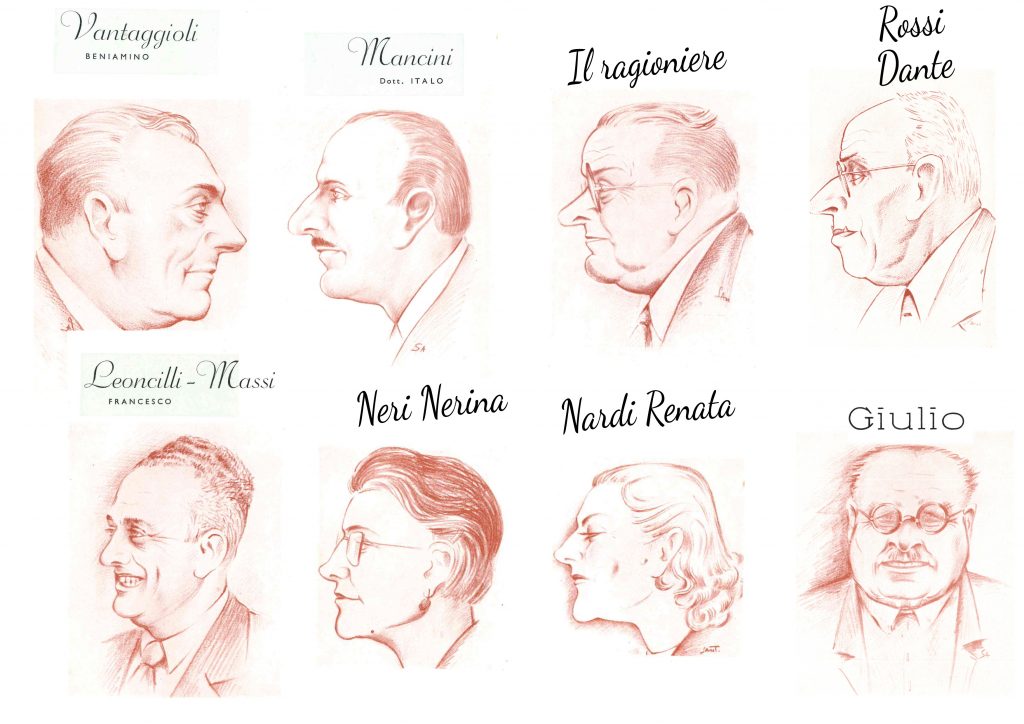
In April 1953, to celebrate the company’s 50th anniversary, ceremonies and events were organised in the town and two delightful brochures were printed, recounting the characters, facts and anecdotes that made the history of the printing house.
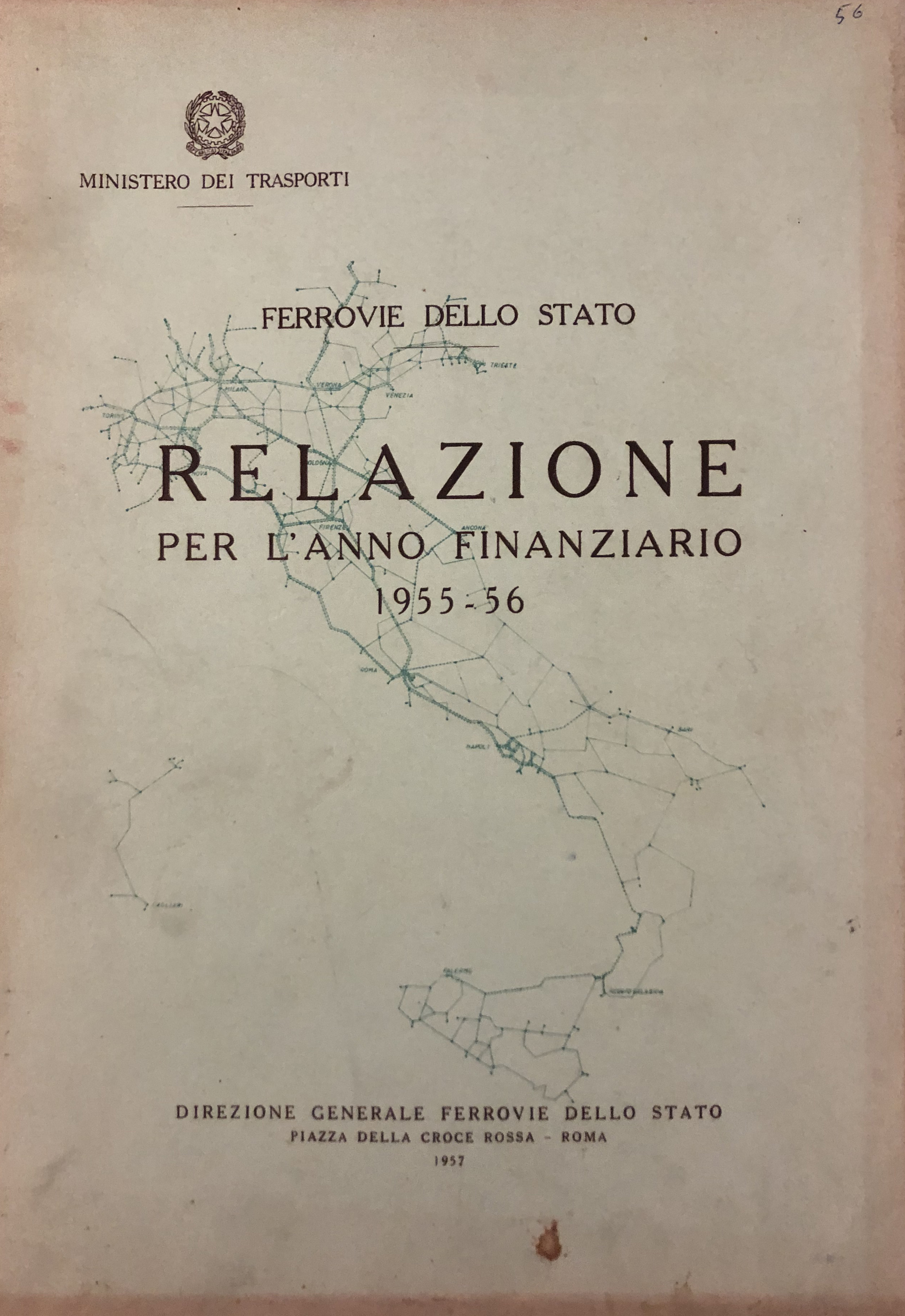
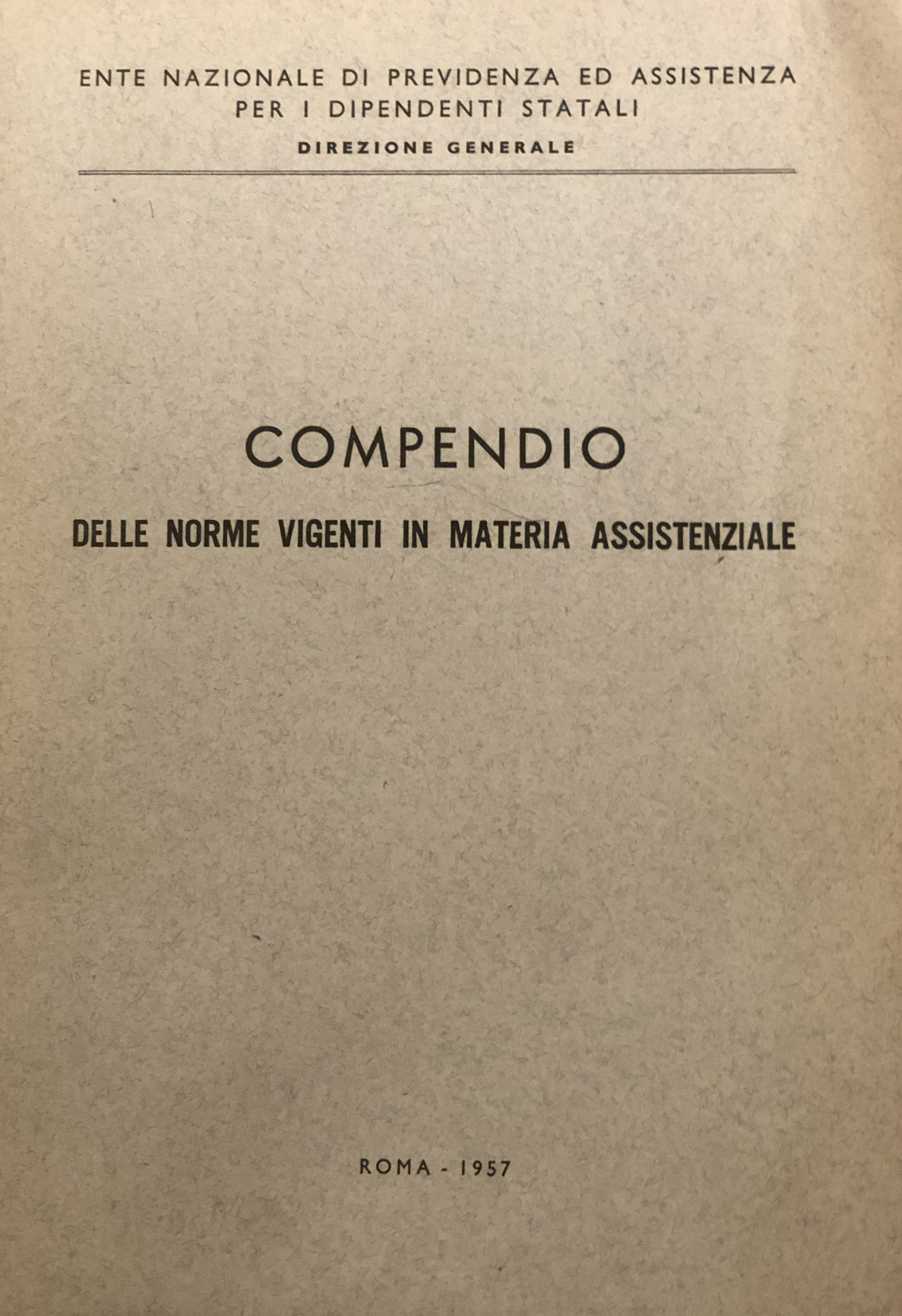
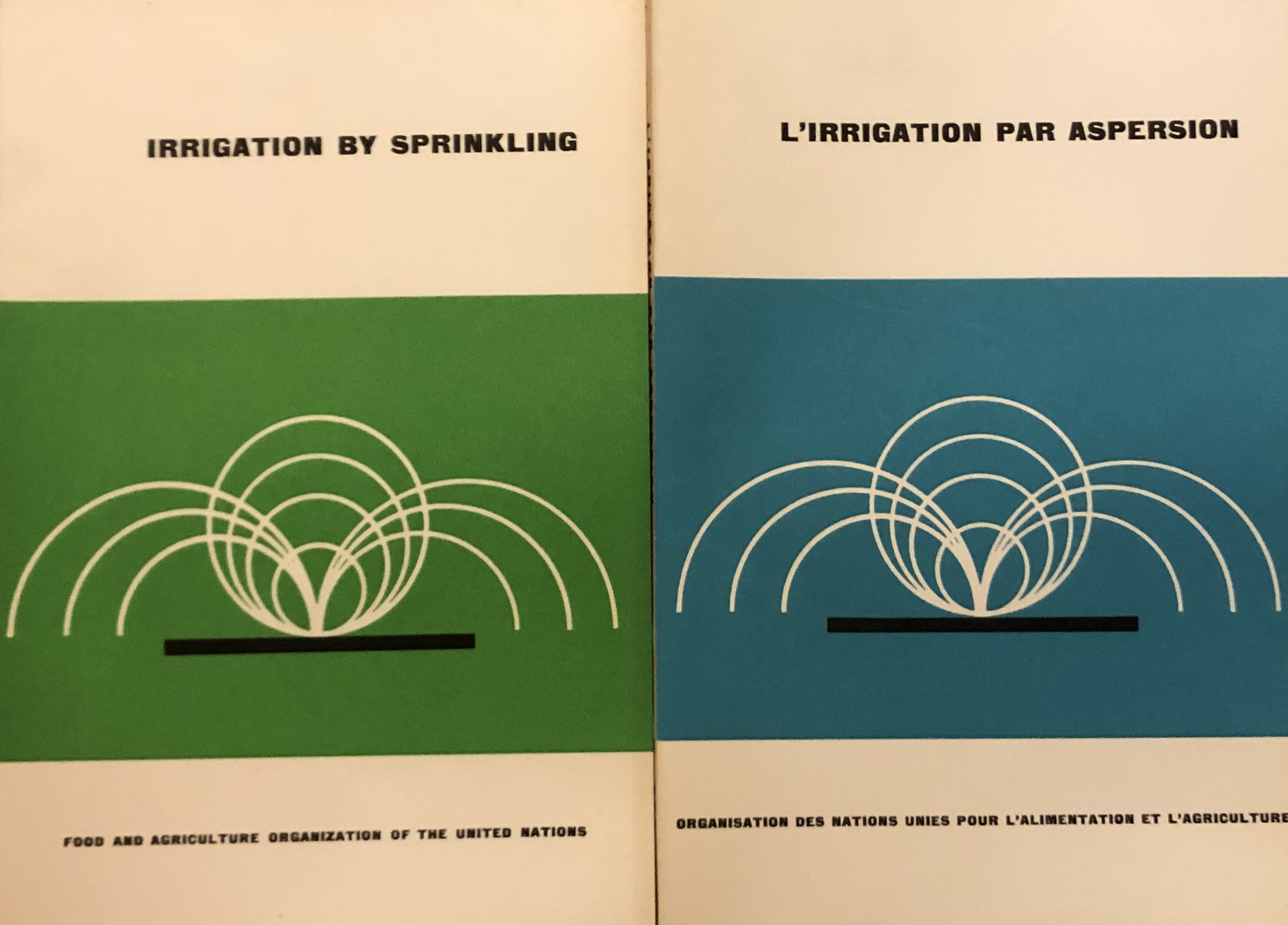


Despite Gaetano Petrelli’s death in 1956, the Spoleto-based printer’s output continued to grow, working for the Istituto Poligrafico, ENPAS, the Automobile Club of Italy, the Consiglio Nazionale delle Ricerche (CNR), FAO, Panair do Brasil, one of South America’s most important airlines, and the Italian State Railways, a partnership that was to last for decades.
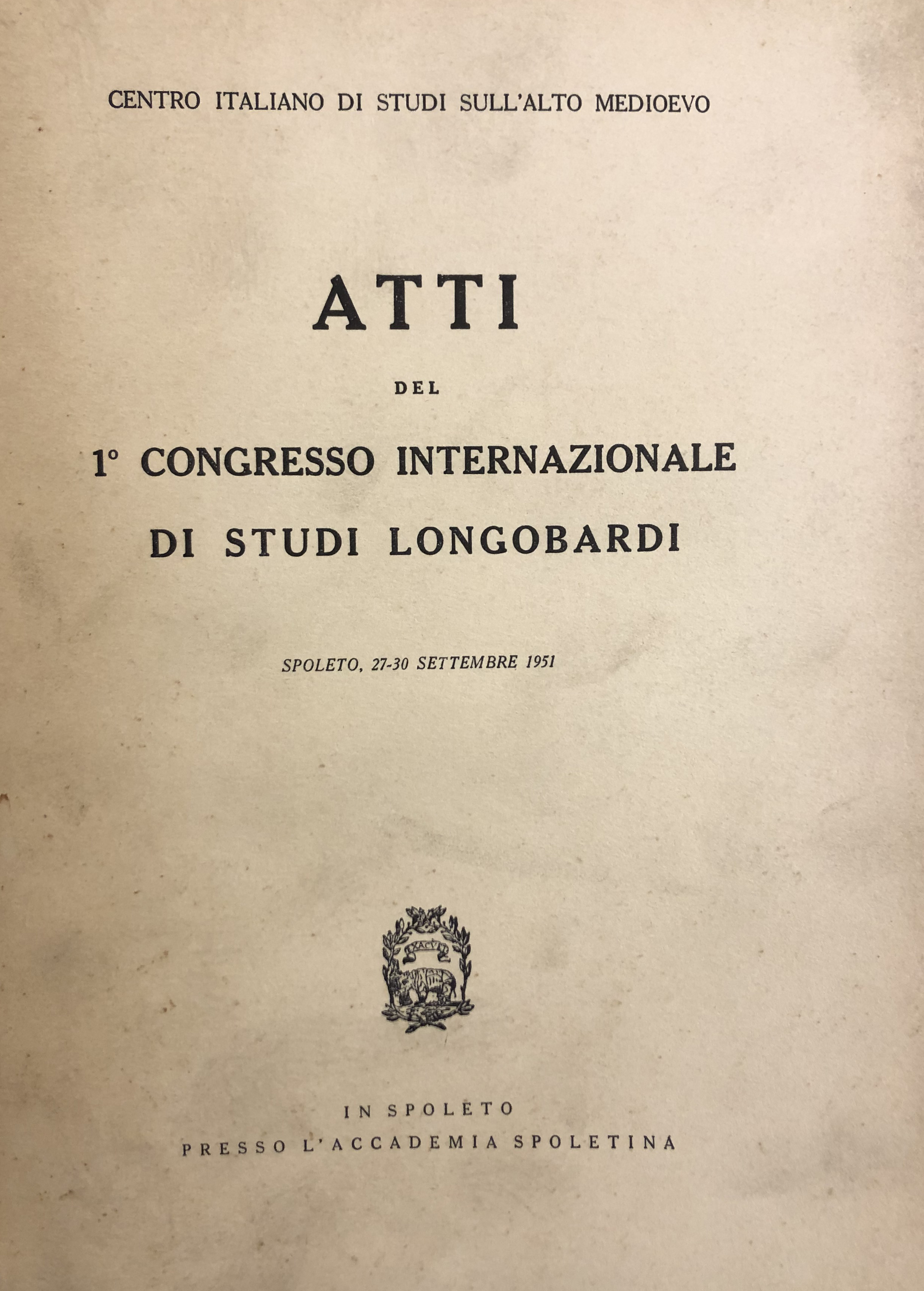
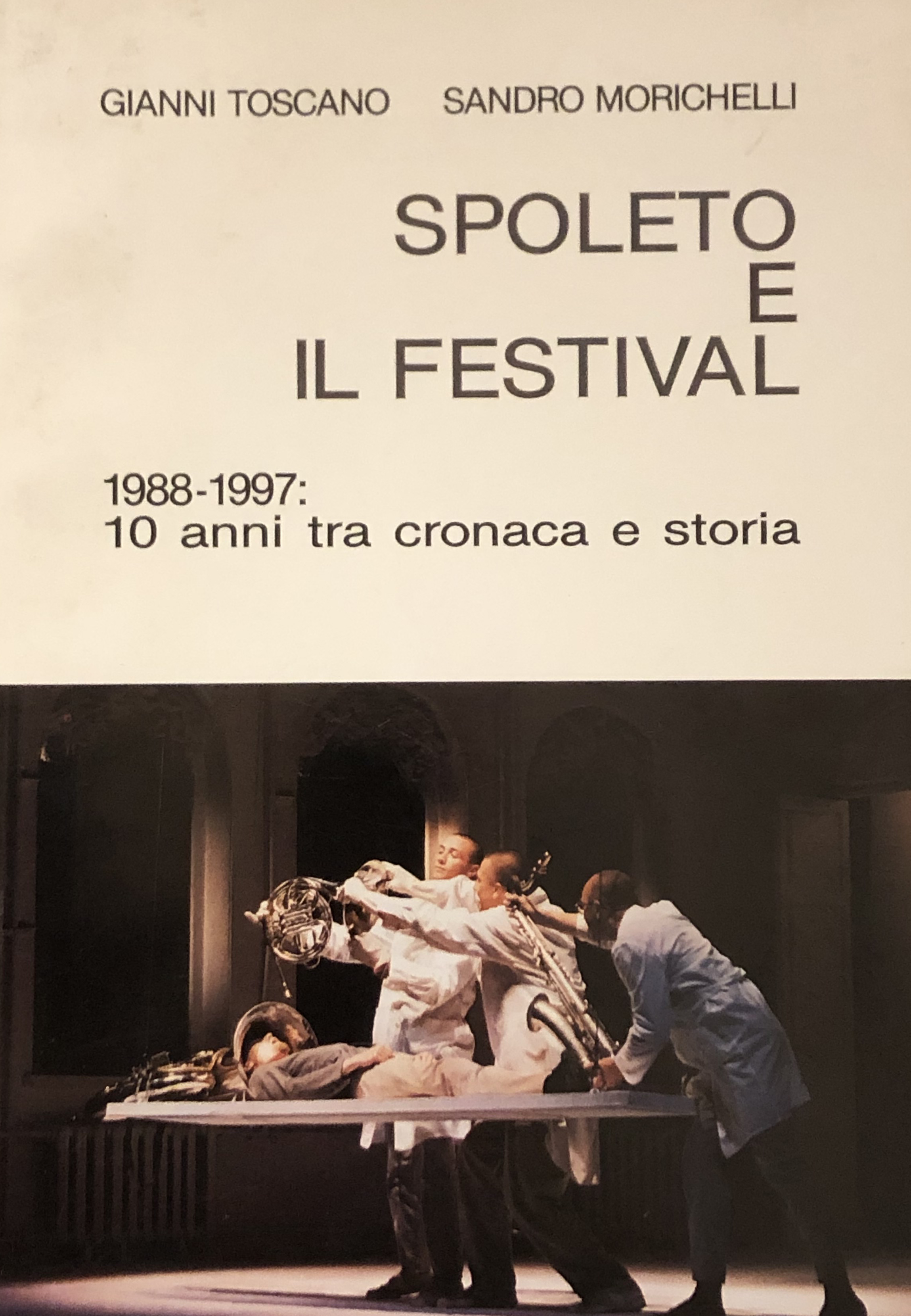

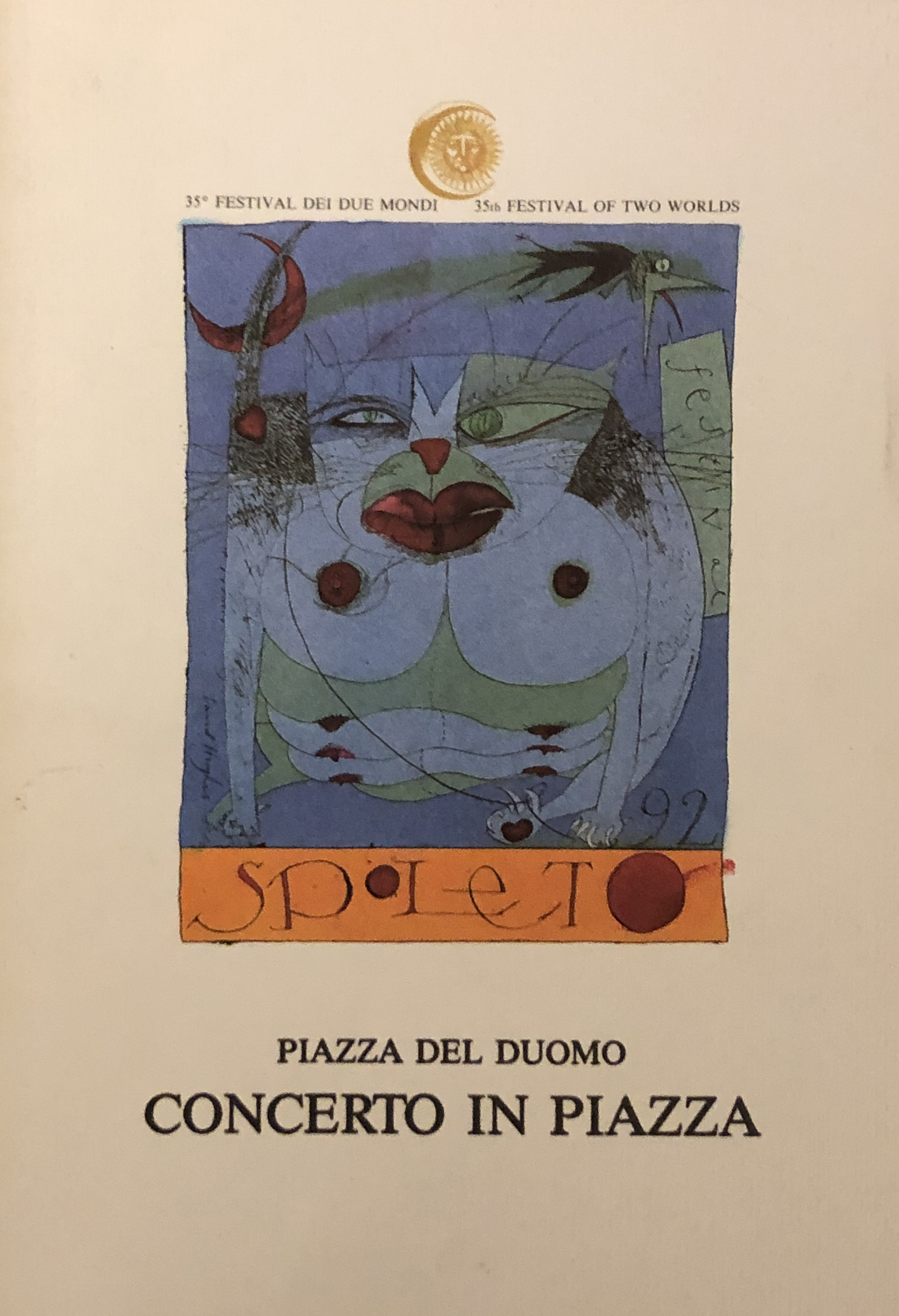
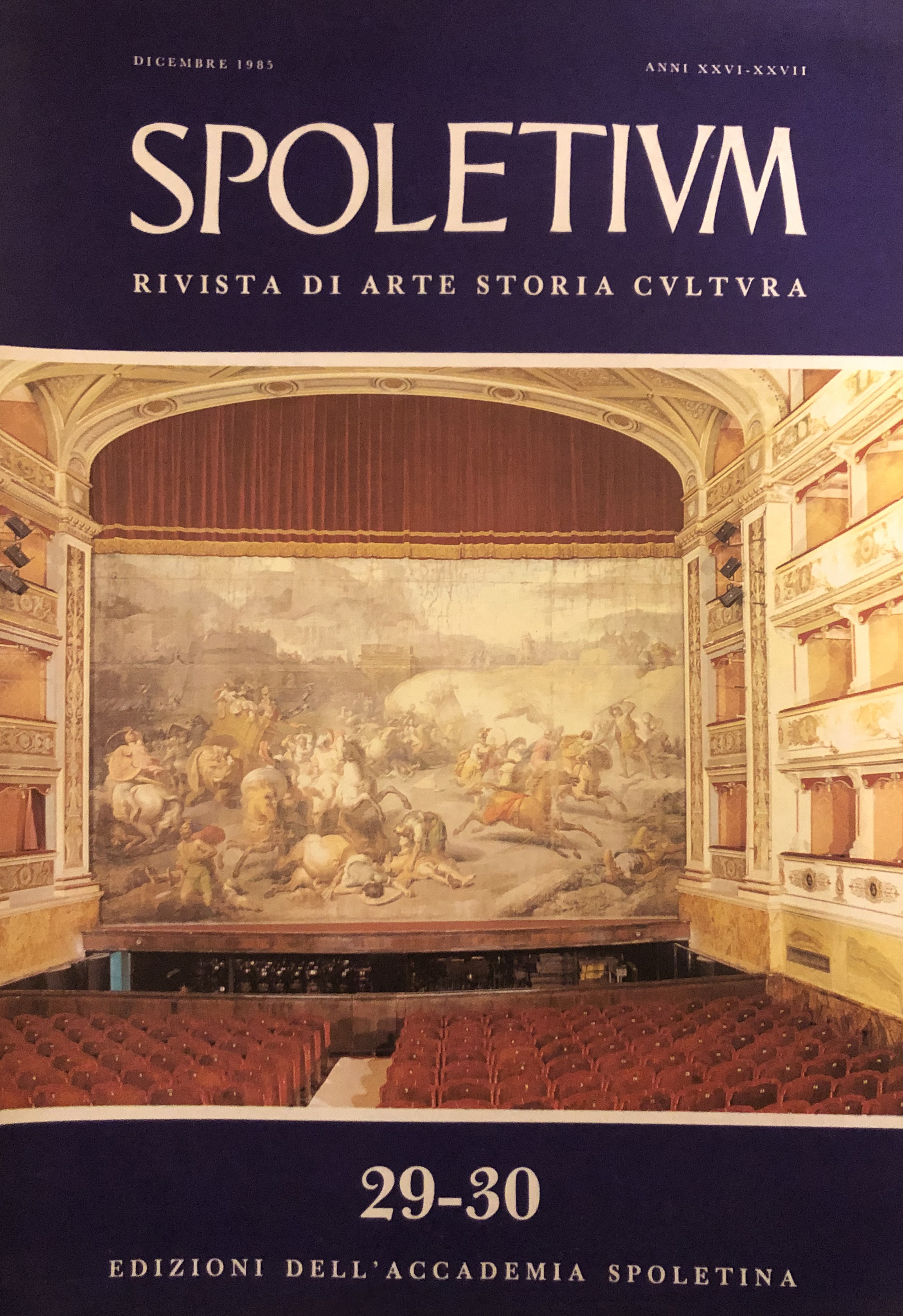
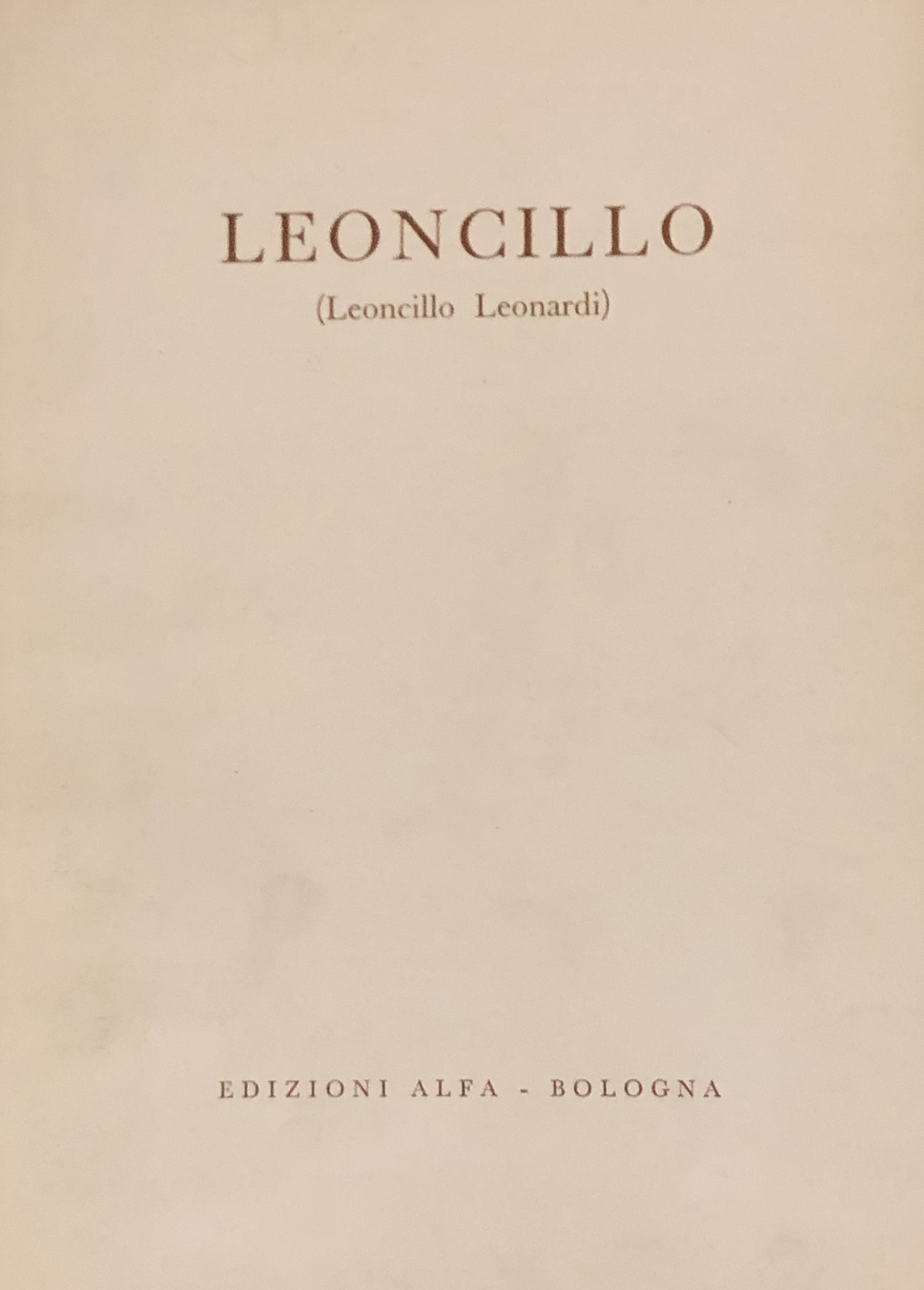
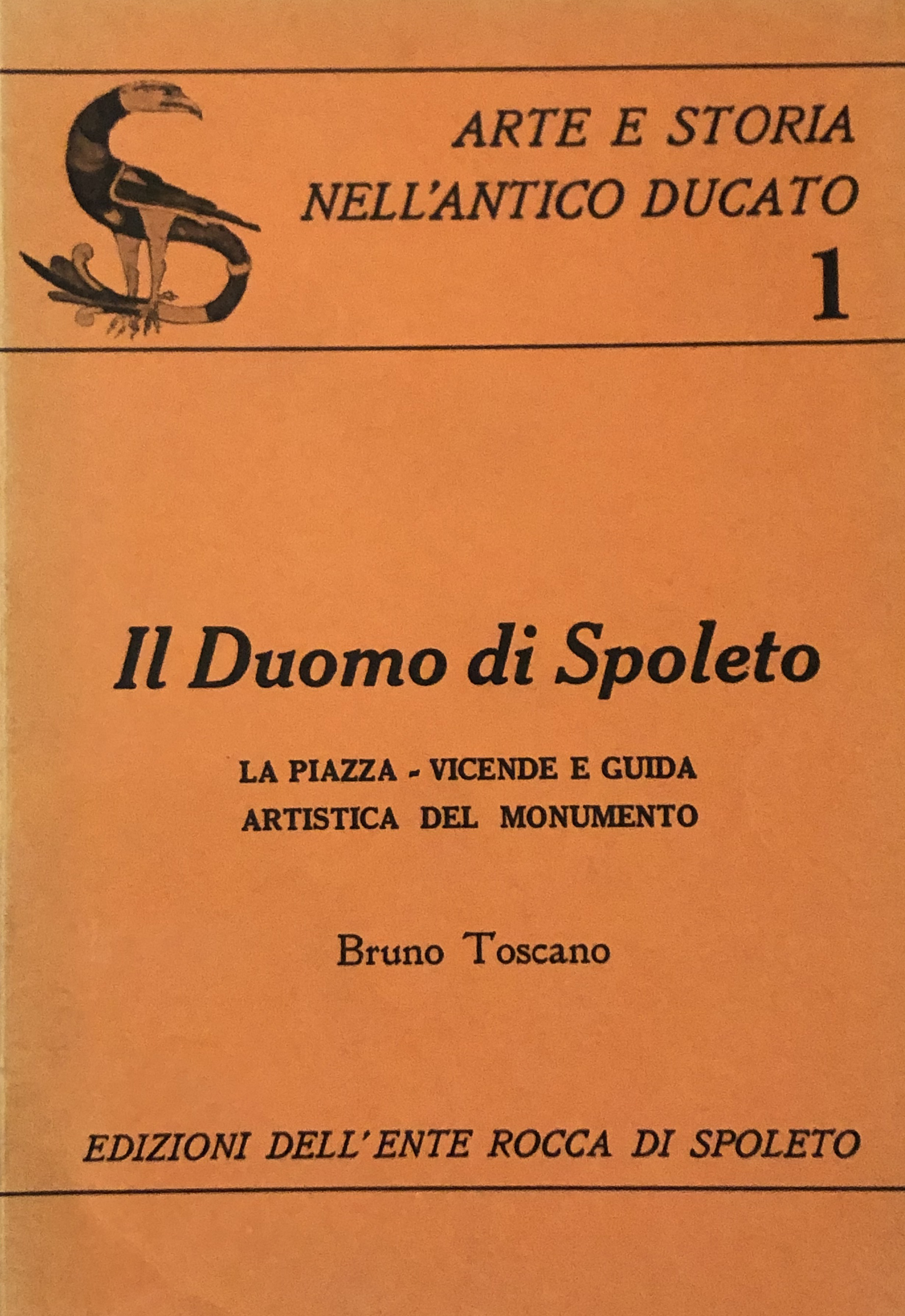
Also in the 1950s, a large number of publications were produced to accompany artistic studies, research activities and the cultural life of the city, in particular the numerous publications produced by Panetto & Petrelli for two institutions destined to shape the very identity of Spoleto over the years: the Centro italiano di Studi sull’alto medioevo and the Festival dei Due Mondi.
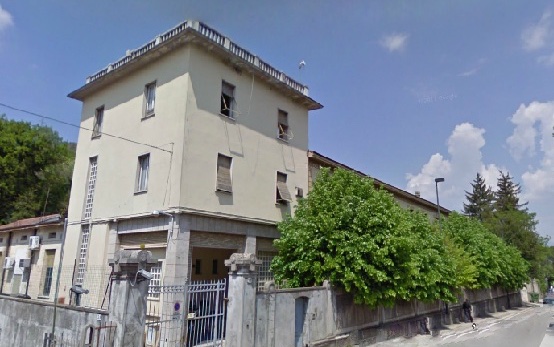
At the end of the 1950s – besides undergoing structural changes such as the raising of the so-called ‘tower’, a three-storey building erected on the left-hand side of the façade – the factory passed to the heirs of the two Panetto and Petrelli families. In the following decades and up to the 1980s, production remained at a high standard, with employment levels reaching the hundreds.




Crisis and decline
The crisis came at the turn of the 1980s and 1990s, when major investments in new plants were quickly outdone by technological developments: the mechanical equipment on which so much reliance had been placed was rendered obsolete by the looming digital revolution.

Despite prestigious clients such as Alitalia, Telecom and State Railways, the owners were forced to abandon family management and after almost a hundred years in business, between the 1990s and the 2000s, the historic printing house saw various majority shareholders, all from outside Spoleto, take over in a vain attempt to save production and employment levels. On 15 May 2014, Panetto & Petrelli went bankrupt.
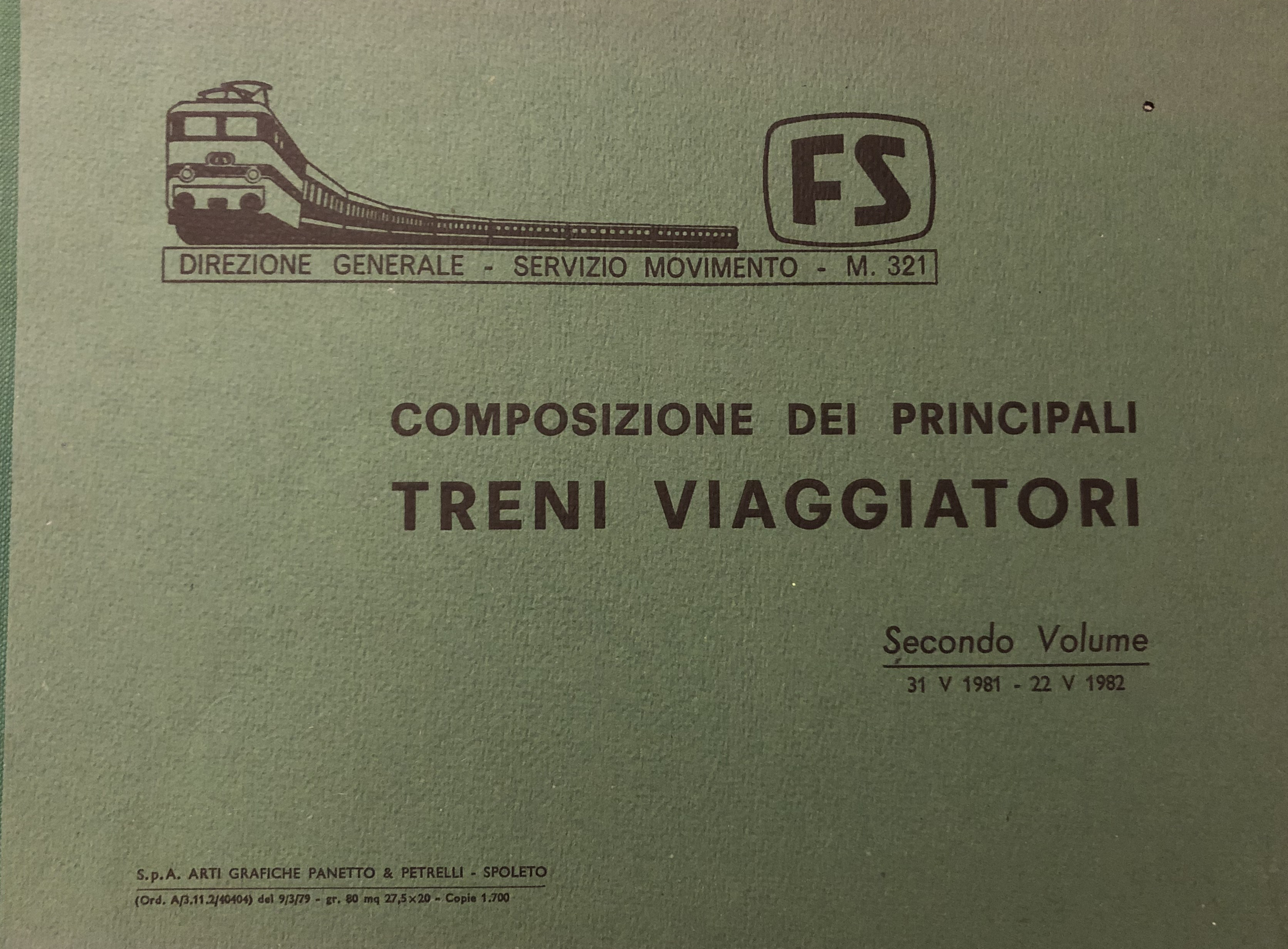


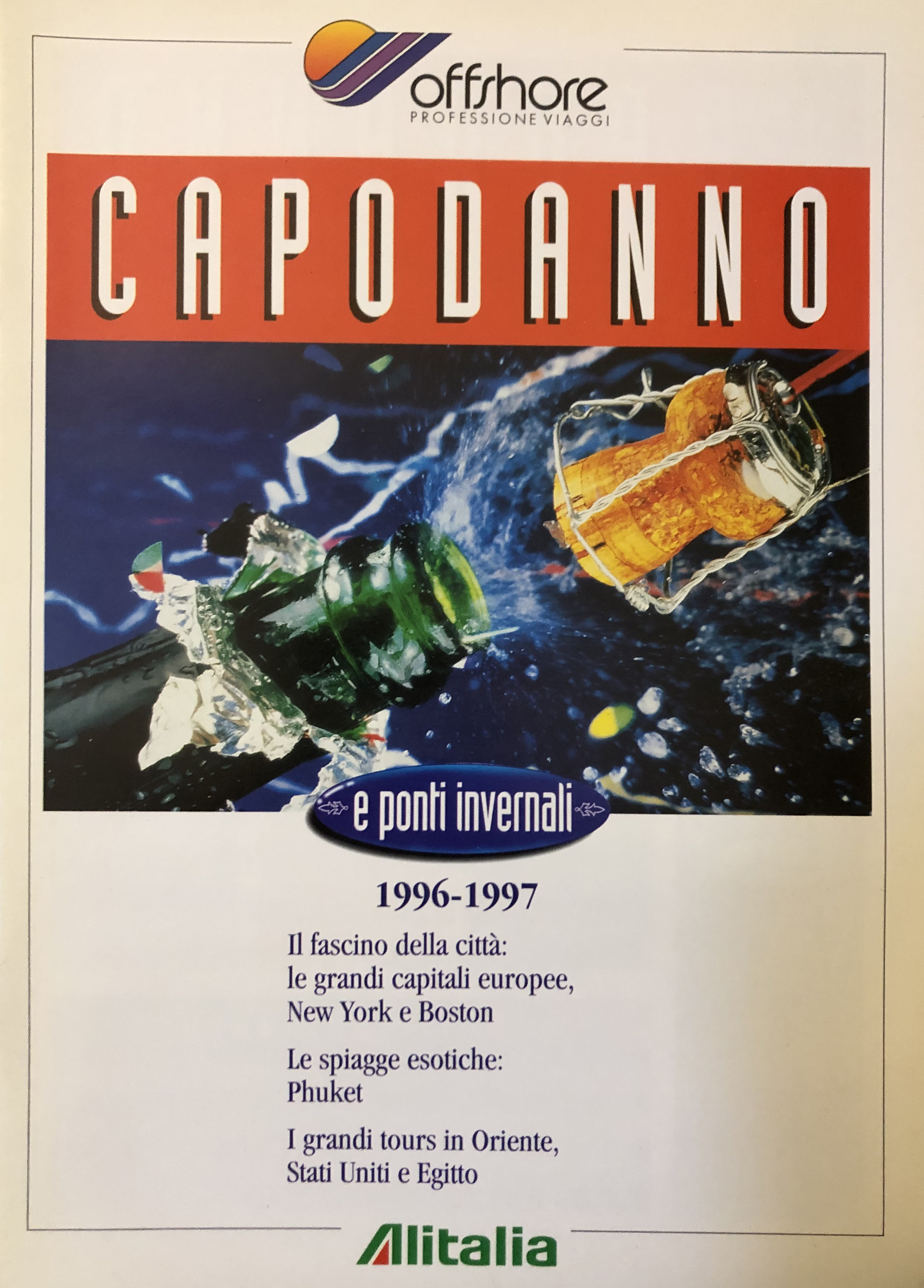
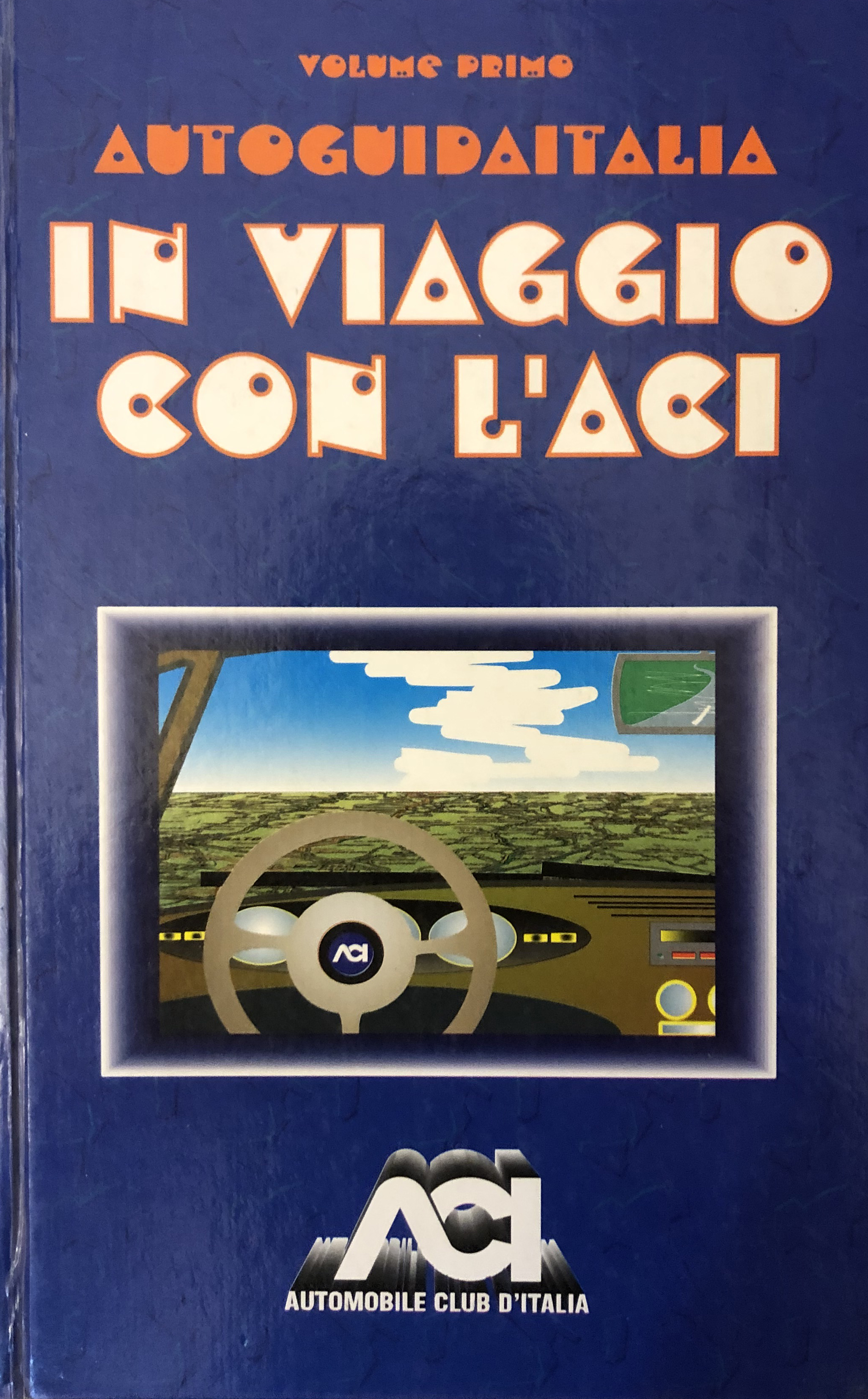
The structure is currently being redeveloped for commercial use.
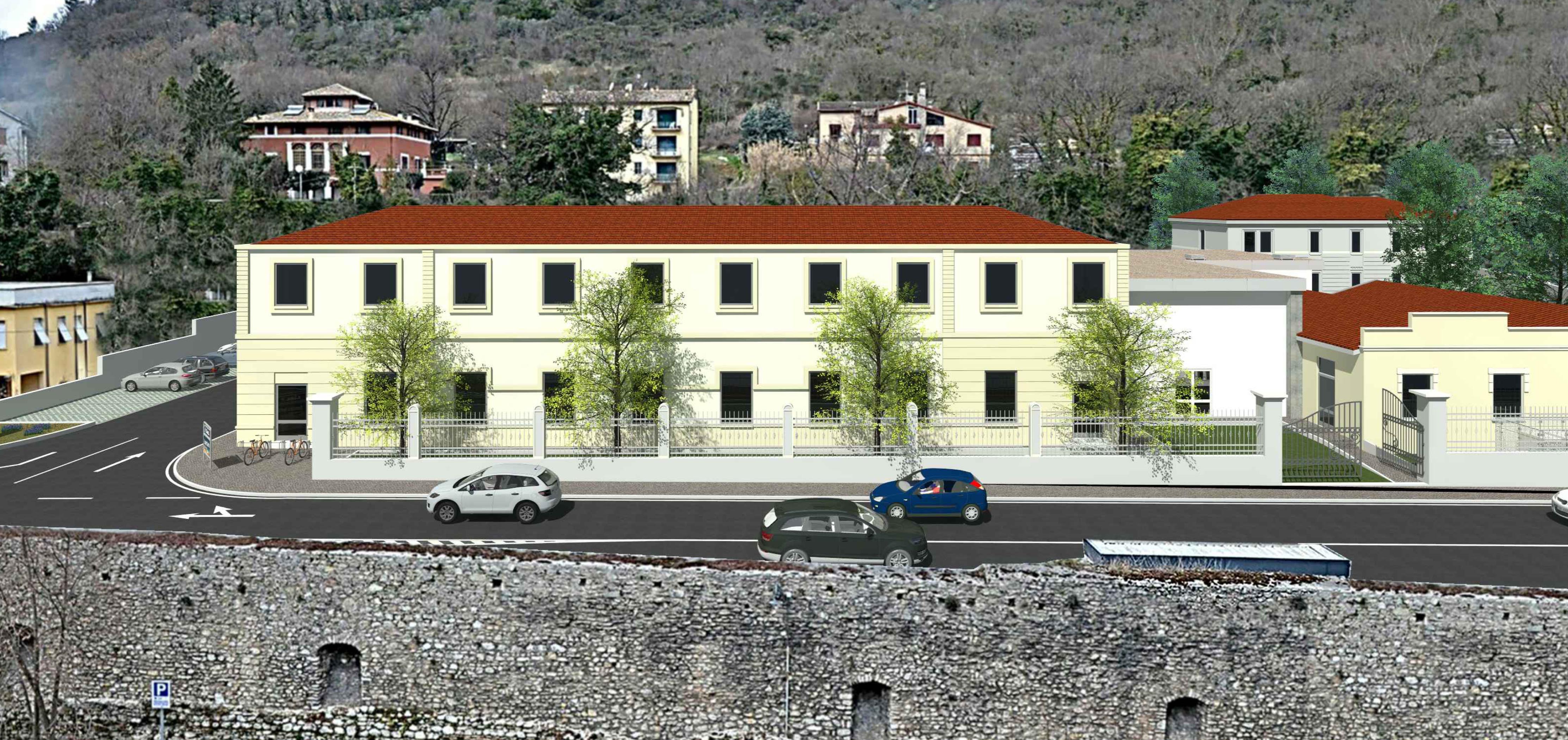
With the bankruptcy of Panetto & Petrelli, after 112 years, the curtain fell not only on an important chapter in the social and economic history of the city, but also on a significant page in the adventurous, exciting printing and publishing epic that accompanied first the drive towards modernity and then the cultural growth of our country.
Bibliography:
La Giovane Umbria – 14 December 1902
La Giovane Umbria – 26 April 1903
Arti Grafiche Panetto e Petrelli, 1927
Campionario dei caratteri di testo, 1934
Angelini Rota, Spoleto e d’intorni, 1910, 1915, 1929
Cinquantenario delle Arti Grafiche Panetto e Petrelli, 1953
Cronaca celebrativa del Cinquantenario della fondazione, 1953
Rendering by Studio Massimiliano Galli